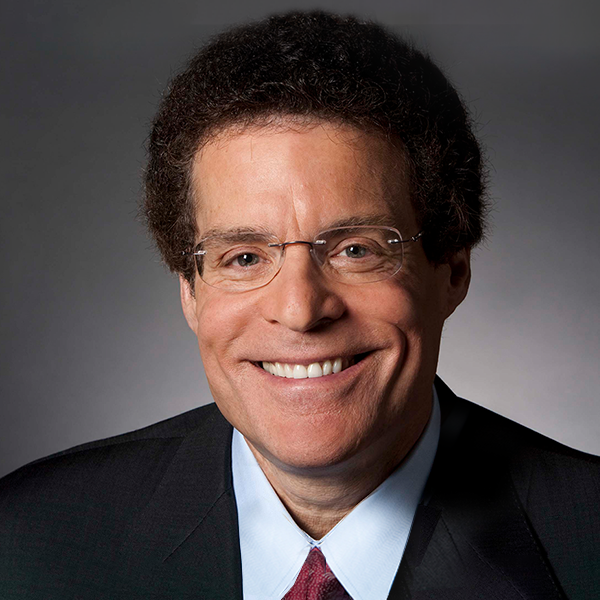
From Drew Altman

Drew Altman is president and chief executive officer of KFF, a position he has held for more than 30 years since founding the modern-day KFF organization in the 1990s. He is a leading expert on national health policy issues and an innovator in health journalism and the nonprofit field.

View full bio | Read Dr. Altman's Beyond the Data columns

Photo of Drew Altman

President’s Message

“KFF is an independent source of health policy research, polling, and journalism. We have four major program areas: KFF Policy; KFF Polling; KFF Health News (formerly Kaiser Health News); and KFF Social Impact Media, which conducts specialized public health information campaigns. Learn more about the organization. 

What’s unique about KFF, however, can’t be found in any description of our programs because we’re more than a sum of our parts. KFF is a one-of-a-kind information organization. Not a policy research organization. Not a polling organization. And not a news organization. But rather, a unique combination of all three. That’s the vision behind KFF, and it's this combination that allows us to leverage our combined expertise and assets to play our national role on health policy.” Read more

Beyond the Data

In his “Beyond the Data” columns, Drew Altman discusses what the data, polls, and journalism produced by KFF mean for policy and for people.

BTD Health Policy in 2026

Health Policy in 2026

In a new column, President and CEO Dr. Drew Altman forecasts eight things to look for in health policy in 2026. “First and foremost,” he writes, “is the role health care affordability will play in the midterms.” And, he notes: “The average cost of a family policy for employers could approach $30,000 and cost sharing and deductibles will rise again after plateauing for several years.”

Filter

131 - 140 of 331 Results

  • The Health Care Surge: Why It’s Rising as a Midterms Issue

    From Drew Altman

    In this Axios column, Drew Altman says health care is a bigger factor for Democrats now than it was for Republicans in recent elections, and could be as big a factor for Democrats and independents as Donald Trump is in the midterms.

  • Why Some Employers are Turning to Progressive Health Benefits

    From Drew Altman

    In this Axios column, Drew Altman examines the status of progressive health benefits (health benefits linked to wage levels) and their pros and cons at a time when employee health costs are rising and wages are flat.

  • The Shrinking Health Spending Gap

    From Drew Altman

    In an Axios column, Drew Altman analyzes the narrowing gap between growth in health spending and GDP and discusses why it matters. The big question, he says, is will the narrowing have staying power?

  • The Left is Getting More Active on Health Care

    From Drew Altman

    In this Axios column, Drew Altman discusses data from the new KFF/Washington Post survey on activism in America showing the role support for the ACA is playing in motivating political participation, and how, in a reversal from the last election cycle, political energy is shifting from right to left on health care as a new election looms.

  • The Politics of ACA Rate Hikes Will Be 2016 in Reverse

    From Drew Altman

    Democrats are expected to turn the tables and attack Republicans for rising premiums and sabotaging the Affordable Care Act. In his Axios column, Drew Altman discusses a balancing act they face which has not received attention: score political points, but run the risk of a new debate scaring the broader public and undermining the ACA by focusing on its continuing problems.

  • Red-State Changes Could Strengthen ACA, Medicaid

    From Drew Altman

    In an Axios column, Drew Altman discusses how, ironically, efforts by red states to move their ACA marketplaces and their Medicaid programs in  more conservative directions could end up strengthening the ACA and Medicaid politically over the longer term.

  • Don’t Overhype the New Health Care Venture

    From Drew Altman

    In an Axios column, Drew Altman dissects the many dimensions of the health cost problem and discusses why the Bezos-Buffett-Dimon initiative is unlikely to have much impact on the larger health cost problems the public and policymakers care about most.