Health Costs

Affordability and Spending

Public Views on Prescription Drug Costs: Regulation, Affordability and TrumpRx

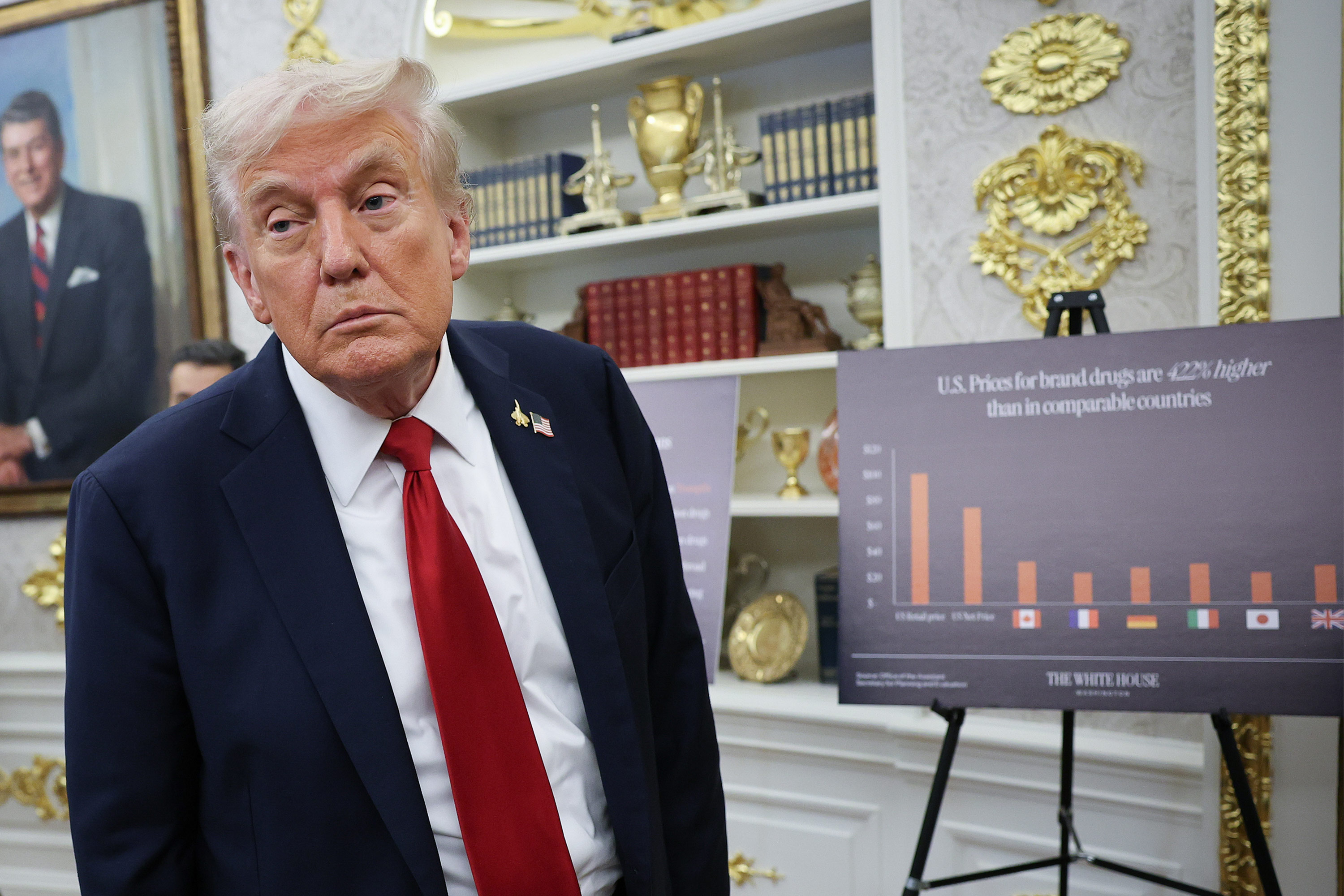
Amid the Trump administration’s focus on lowering prescription drug costs, including its new TrumpRx website, KFF’s Health Tracking Poll finds that most Americans (59%) are worried about affording prescription drugs and support more regulation of prescription drug pricing (72%). Looking ahead to the 2026 midterm elections, the Democratic party currently holds the advantage when it comes to who voters trust to address the cost of health care, including prescription drugs.

Affordable care act

Poll: Health Care Costs, Expiring ACA Tax Credits, and the 2026 Midterms

Heading into this midterm election year, the cost of health care tops the public’s economic anxieties, and more than 4 in 10 voters say the issue will have a major impact on their vote, a new KFF Health Tracking poll finds. Two thirds of public say Congress "did the wrong thing" by not extending ACA enhanced tax credits, but Republicans largely say Congress “did the right thing.”

Health System Tracker

How Does Health Spending in the U.S. Compare to Other Countries? While the U.S. still spends the most in total dollars, eight OECD nations had a higher percentage increase in per-person health spending in 2024.


How Does Cost Affect Access to Health Care? In 2024, about 1 in 6 adults reported delaying or not getting healthcare due to cost, including medical or mental health care.


How Do Health Expenditures Vary Across the Population? Five percent of the population made up nearly half of all health spendings, pending an average of $72,918 annually in 2023.

NHE explorer

National Health Spending Explorer: Get up-to-date information on U.S. health spending by federal and local governments, private companies, and individuals.

Filter

851 - 860 of 1,560 Results

  • How Much of the Medicare Spending Slowdown Can be Explained? Insights and Analysis from 2014

    Issue Brief

    This paper identifies and quantifies, to the extent possible, the factors that explain the gap between actual Medicare spending in 2014 and CBO's 2009 projections of what Medicare spending would be this year. The study synthesizes information from a variety of sources and presents new analysis to assess the extent to which lower-than-projected Medicare spending in 2014 can be explained by deliberate policy and program changes, unexpected trends, and other factors.

  • What Drives Spending and Utilization on Medicaid Drug Benefits in States?

    Issue Brief

    With the approval of new specialty drugs, such as the Hepatitis C treatments Sovaldi and Harvoni, states are mindful that the cost the Medicaid prescription drug benefit could increase. To achieve savings, and improve management and health outcomes, it is important to understand which drugs are most frequently prescribed and which drive spending. Using state drug utilization data provided through the Medicaid Drug Rebate Program, as well as an industry drug database, this issue brief examines trends in prescriptions and spending before rebates, and places findings in the context of policy discussion.

  • Our Fragmented Approach to Health-Care Costs

    From Drew Altman

    In his latest column for The Wall Street Journal's Think Tank, Drew Altman discusses this week's Centers for Medicare and Medicaid Services report on health spending and assesses the current effort to control health-care costs.

  • Assessing the Performance of the U.S. Health System

    Issue Brief

    Health spending growth has consistently outpaced U.S. economic growth and is higher than medical spending in other wealthy countries. Despite spending more, the United States doesn't have better health outcome in terms of life expectancy, mortality rates and other measures. This brief provides an overview of trends in health costs and the performance of the U.S. health system, including comparisons to countries from the Organisation for Economic Co-operation and Development (OECD). The brief charts growth in the nation's per capita health spending along with the recent slowdown, touching on the roles of expanded Medicaid eligibility, increases in Medicare beneficiaries and the Affordable Care Act (ACA). Additionally, it discusses the health system's effectiveness and capacity to provide services, including the accessibility and affordability of care.

  • How do mortality rates in the U.S. compare to other countries?

    Feature

    This slideshow compares mortality rates in the United States and other industrialized countries for seven major causes of death. The data show that U.S. mortality rates for circulatory diseases and cancer have fallen in the past 30 years, driving a decline in the nation's overall rate. However, mortality rates for leading causes of death other than cancer are higher in the United States than the average for comparable countries.

  • What is behind the recent slowdown in health spending?

    Feature

    This slideshow charts the recent slowdown in health spending in the United States and other industrialized nations. Some possible causes include economic factors and structural changes to the U.S. health system, such as higher cost sharing in private health insurance and lower payments to providers by Medicare and other public programs.

  • How do U.S. healthcare resources compare to other countries?

    Feature

    This slideshow examines the U.S. health care system and its resources in comparison with other industrialized countries. The data examine the relative number of hospital beds, doctors and nurses in the U.S. and other countries, as well as the availability and use of MRI machines as an example of medical technology.

  • Test your knowledge of health insurance

    Health Insurance Quiz

    Feature

    What is a health insurance premium? Can you describe what an annual health insurance deductible is? Take this 10-question quiz and learn how health insurance literate you are compared to a survey of Americans who were asked the same questions. The language of health insurance can be complex and confusing, particularly for many long-time uninsured people enrolling in the new insurance marketplaces set up under the Affordable Care Act.

  • Visualizing Health Policy: Recent Trends in Employer-Sponsored Insurance

    Other Post

    This Visualizing Health Policy infographic takes a look at recent trends in employer-sponsored insurance, including average premium increases for workers with family coverage, the average yearly cost of premiums for single and family coverage and how those costs have increased in the past decade, along with the prevalence of health promotion programs (such as wellness…