Health Costs

Health Care Affordability

BTD Health Policy in 2026

Health Policy in 2026

In a new column, President and CEO Dr. Drew Altman forecasts eight things to look for in health policy in 2026. “First and foremost,” he writes, “is the role health care affordability will play in the midterms.” And, he notes: “The average cost of a family policy for employers could approach $30,000 and cost sharing and deductibles will rise again after plateauing for several years.” View all of Drew’s Beyond the Data Columns
Enhanced Premium Tax Credits

KEY RESOURCES
  • Health Policy 101: Costs and Affordability

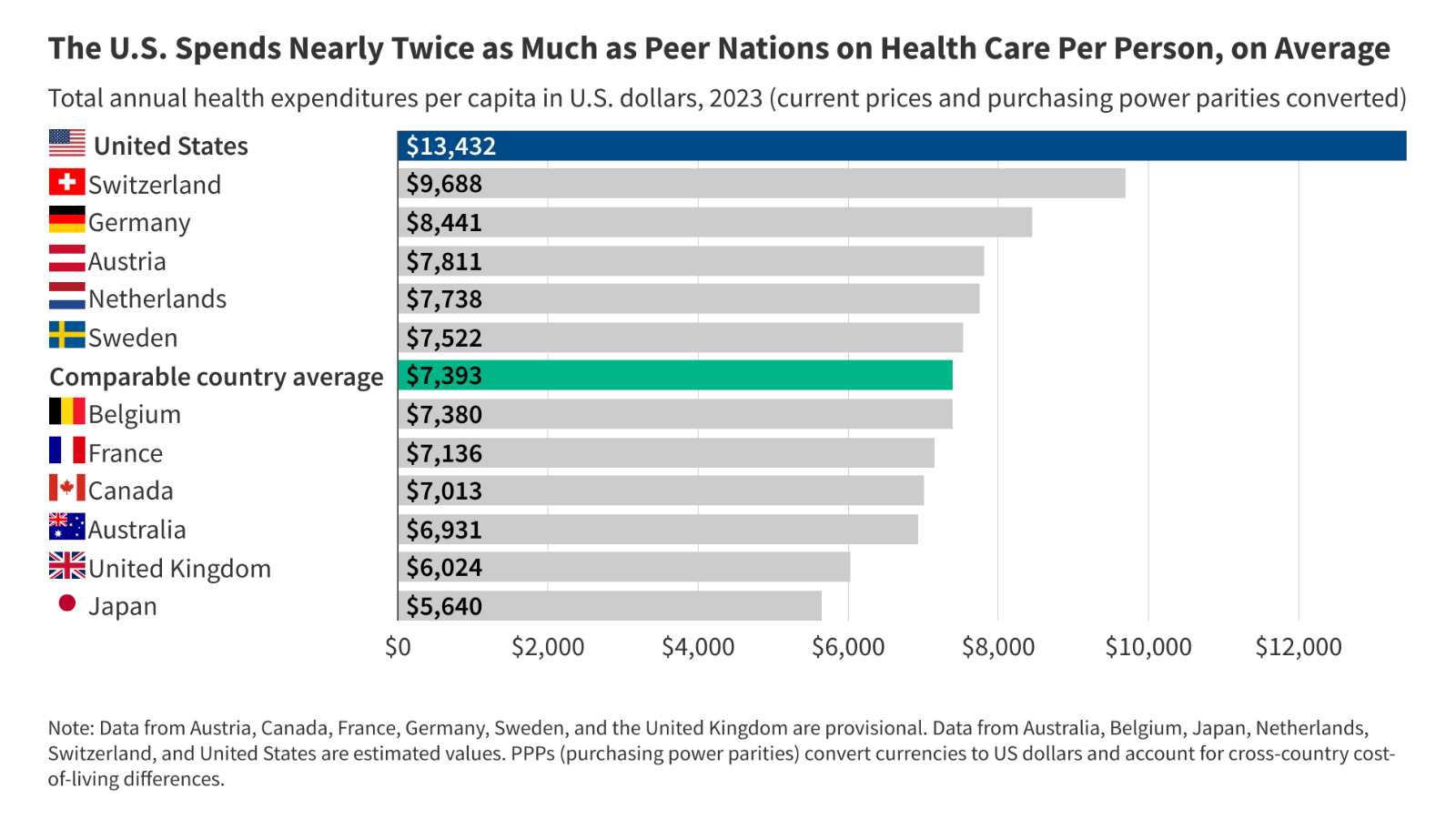
    This Health Policy 101 chapter explores trends in health care costs in the U.S. and the factors that contribute to this spending. It also examines how health care spending varies and the impact on affordability and people's overall financial vulnerability.  


  • Americans’ Challenges with Health Care Costs

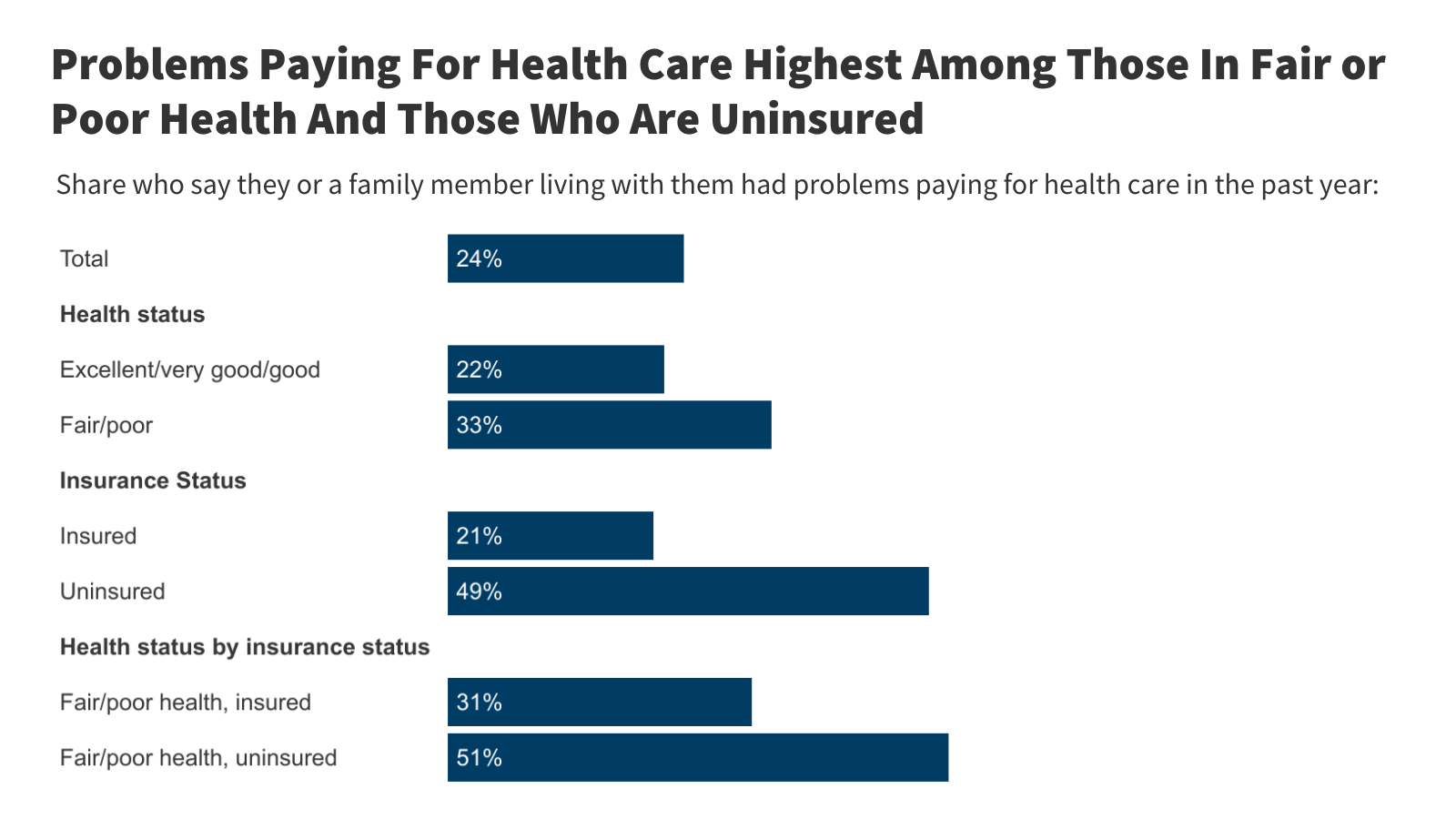
    This data note reviews our recent polling data that finds that Americans struggle to afford many aspects of health care, including disproportionate shares of uninsured adults, Black and Hispanic adults and those with lower incomes.

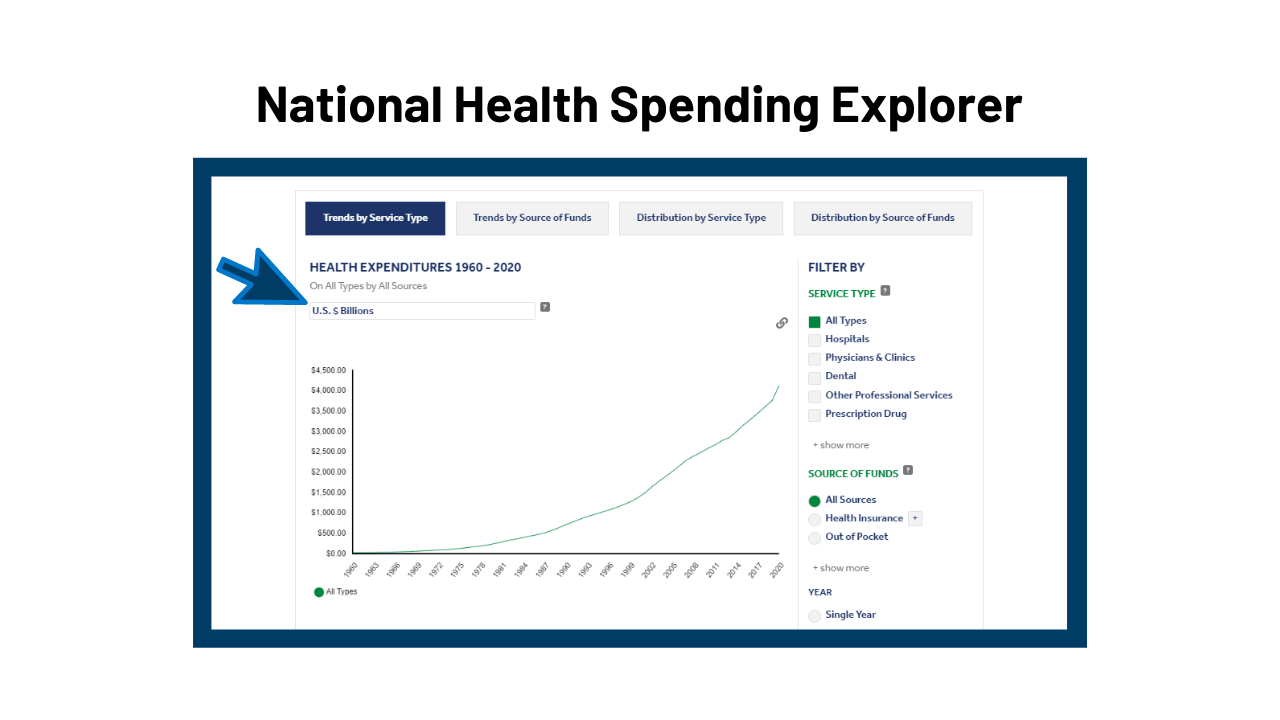
  • National Health Spending Explorer

    This interactive Peterson-KFF Health System Tracker tool allows users to examine five decades worth of data on health expenditures by federal and local governments, private insurers, and individuals.

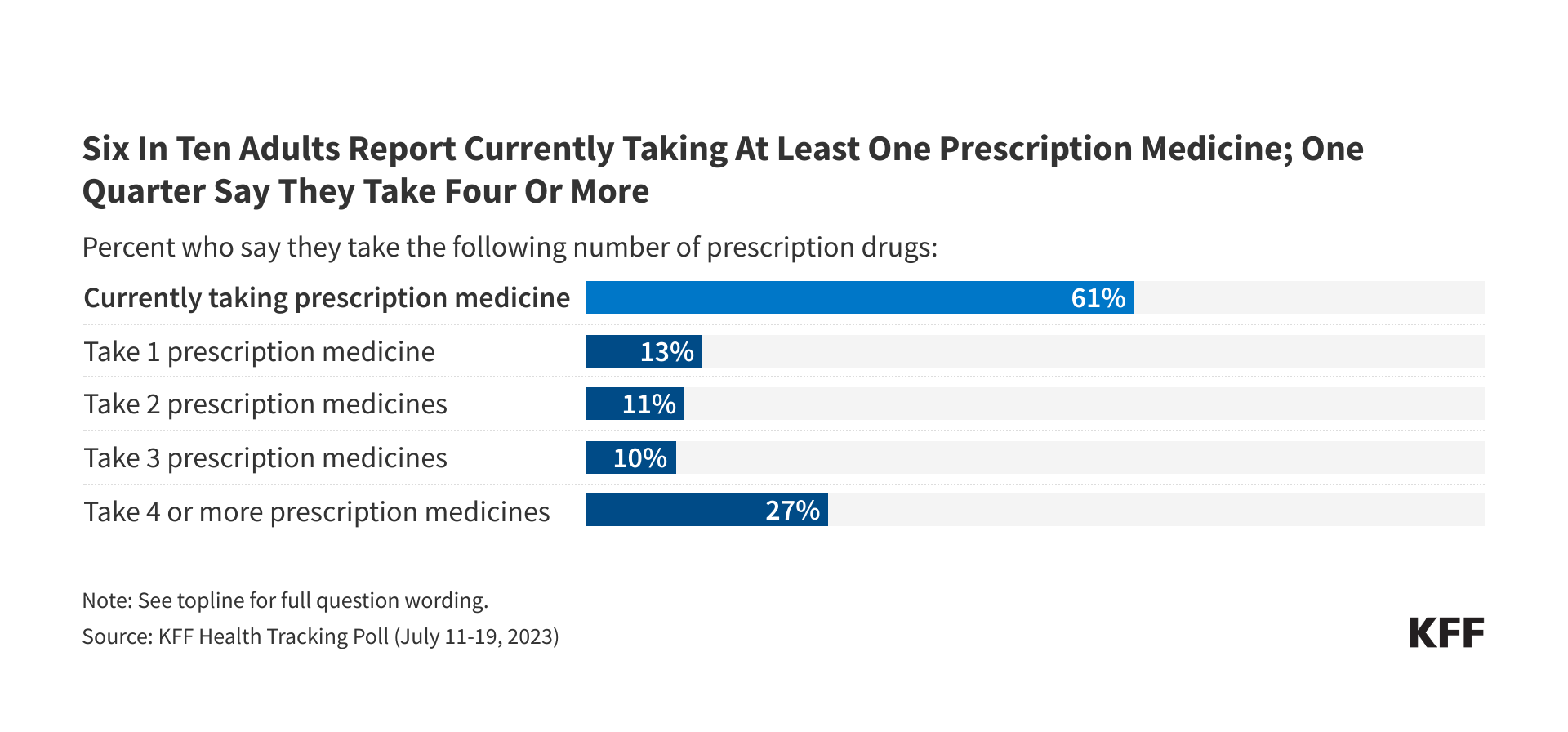
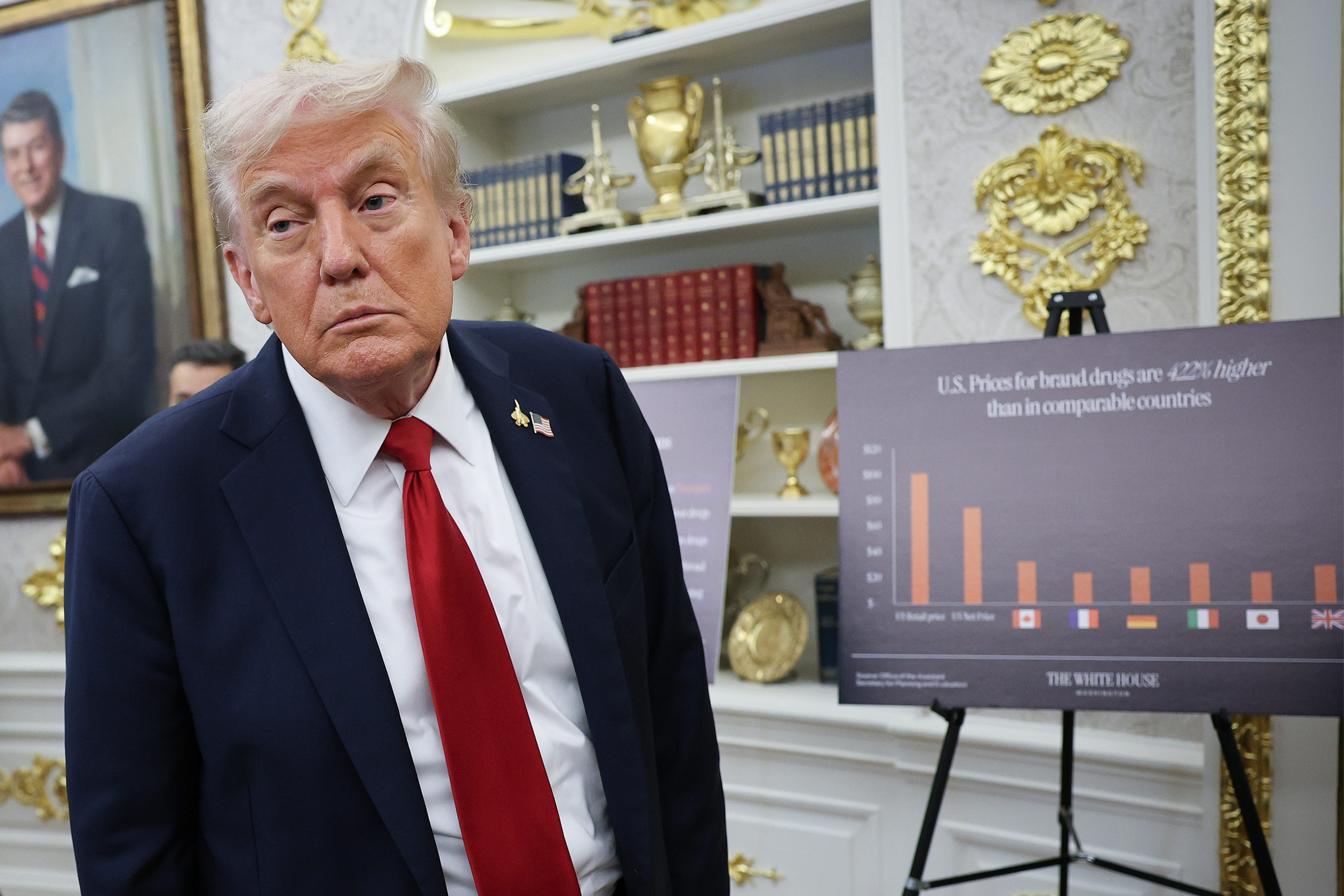
  • Polling on Prescription Drugs and Their Prices

    This chart collection draws on recent KFF poll findings to provide an in-depth look at the public’s attitudes toward prescription drugs and their prices. Results include Americans’ opinions on drug affordability, pharmaceutical companies, and various potential measures that could lower prices.

Subscribe to KFF Emails

Choose which emails are best for you.
Sign up here

Filter

1,171 - 1,180 of 1,541 Results

  • Primers on Key Health Care Topics and Programs

    Issue Brief

    The Kaiser Family Foundation maintains a number of primers providing overviews of key health care programs and issues. Written by Foundation staff, each primer provides key data and information that helps illustrate the topic and its relevance for the nation's health care system.

  • Health Coverage in an Economic Downturn: Impact of Tight Budgets on Families and States

    Fact Sheet

    The economic downturn has strained family finances and prompted some Americans to cut back on medications and forgo preventive care and visits to the doctor. At the same time, the downturn has triggered declines in tax revenue that inhibit states’ ability to meet rising Medicaid program costs as enrollment spikes during economic hard times.

  • Health Care Costs and Election 2008

    Issue Brief

     Download PDF KEY FACTS ON HEALTH CARE COSTS Health spending in the United States is an estimated $2.4 trillion in 2008, an average of $7,868 per person The share of the economy (GDP) devoted to national health spending has increased from 7.2% in 1970 to an estimated 16.

  • Pulling It Together: What Do We Want Health Insurance To Be?

    Perspective

    Trends in the health insurance marketplace show substantial growth in high deductible health plans, especially among smaller firms, where 35% of workers are now covered by plans with a deductible of $1,000 or more. That's according to our recently released employer health benefits survey, which we have been conducting now for ten years.

  • Snapshots: Compensation for Workers with and without Access to Health Benefits at Work

    Other Post

    A newer version of this Snapshot is available here. Compensation for Workers with and without Access to Health Benefits at Work  October 2008 This paper compares the payroll and benefit compensation of workers that had access to employer-sponsored health benefits at work to that of workers who did not have an insurance offer.

  • Toplines: Kaiser Health Tracking Poll: Election 2008 – June 2008

    Poll Finding

    This document contains the detailed toplines from the June Kaiser Health Tracking Poll: Election 2008 poll. The poll involved a nationally representative random sample of 1,206 adults (including 1,066 who say they were registered to vote), who were interviewed by telephone between June 3 and 8, 2008.

  • Key Findings: Kaiser Health Tracking Poll: Election 2008 – June 2008

    Poll Finding

    This document contains the key findings from the June Kaiser Health Tracking Poll: Election 2008 poll. The poll involved a nationally representative random sample of 1,206 adults (including 1,066 who say they were registered to vote), who were interviewed by telephone between June 3 and 8, 2008.