2025 KFF Marketplace Enrollees Survey
In 2025, about one in three ACA enrollees said they would be “very likely” to look for a lower-premium Marketplace plan If their premium payments doubled.
The independent source for health policy research, polling, and news.
KFF’s policy research provides facts and analysis on a wide range of policy issues and public programs.
KFF designs, conducts and analyzes original public opinion and survey research on Americans’ attitudes, knowledge, and experiences with the health care system to help amplify the public’s voice in major national debates.
KFF Health News is a national newsroom that produces in-depth journalism about health issues and is one of the organization’s core operating programs.
In 2025, about one in three ACA enrollees said they would be “very likely” to look for a lower-premium Marketplace plan If their premium payments doubled.
Adults ages 50 to 64 are disproportionately affected by the expiration of ACA enhanced premium tax credits because they make up a large number of Marketplace enrollees and premiums rise with age.
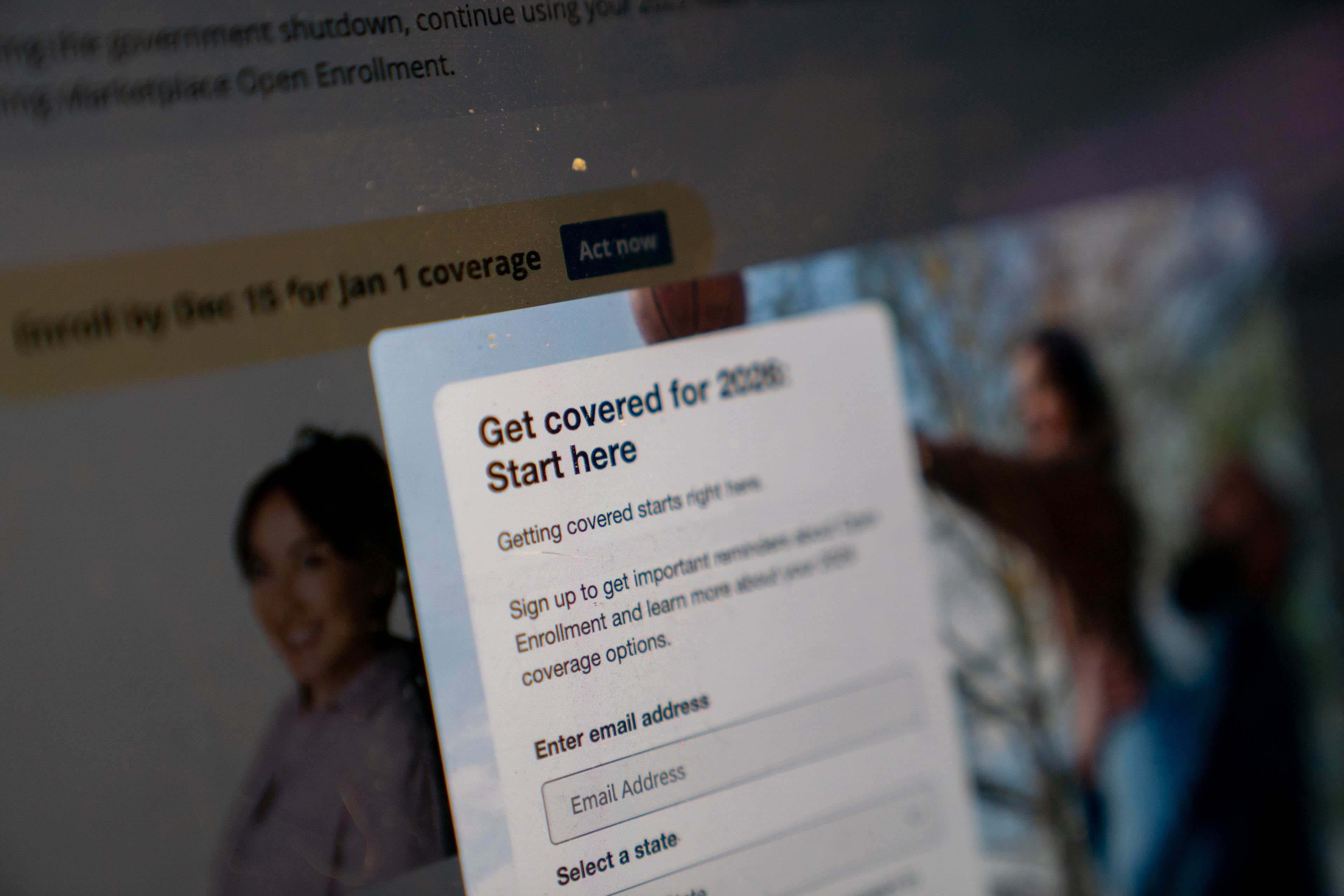
Following the expiration of the enhanced premium tax credits for people with Affordable Care Act (ACA) Marketplace plans, a new KFF follow-up survey of the same Marketplace enrollees KFF surveyed in 2025 finds half (51%) of returning enrollees say their health care costs are “a lot higher” this year compared to last year, including four in 10 who specifically say their premiums are “a lot higher.”
Choose which emails are best for you.
Sign up here
Recent policy attention has focused on efforts to reduce the number of uninsured people in the U.S. by expanding eligibility for coverage assistance, including enhanced premium subsidies in the Affordable Care Act (ACA) Marketplace and filling the Medicaid “coverage gap.” A new KFF analysis shows that a majority of the 27.
This brief examines characteristics of uninsured children in 2020 and discusses how current policy proposals, including outreach efforts, continuous eligibility requirements, and closing the coverage gap, could affect children’s health coverage. Recent efforts to expand coverage for adults could benefit children’s coverage, especially for children in non-expansion states if the coverage gap is filled as proposed by the Build Back Better Act (BBBA).
As the ninth open enrollment period for the Health Insurance Marketplaces begins, enhanced Marketplace premium help along with increased funding for outreach and enrollment assistance mean there are more affordable coverage options for the millions of people who remain uninsured and more help available to connect those individuals to coverage.
Over the 10-year lifetime of a Medicare program aimed at reducing hospital readmissions, 93% of eligible hospitals have been penalized at least once. Hospital readmissions have become less frequent, and most experts attribute that partly to the financial threat of the penalties, though other factors likely contributed to the improvements.
Even as the ninth annual Open Enrollment period gets underway, the Affordable Care Act (ACA) Marketplaces continue to evolve and important changes are expected. This issue brief discusses what changes to watch out for in the coming enrollment period.
Many people who come to the Affordable Care Act marketplaces for the 2022 open enrollment period, which begins Nov. 1, may be learning for the first time about new financial assistance available to them.
The October KFF Health Tracking Poll explores experiences with unpaid caregiving, and favorability of expansion of home and community based services (HCBS). It also examines experiences with difficulty affording and putting of health care services among seniors, favorability of the ACA and experience with determining eligibility for lower cost insurance as part of the COVID relief package.
In this column for the JAMA Health Forum, Larry Levitt explores why the Medicaid "coverage gap" still exists in 12 states that have not expanded their Medicaid programs under the Affordable Care Act, why it matters, and why eliminating it could prove challenging.
This data note from the latest KFF Health Tracking Poll explores the public's views on Medicare drug price negotiation, including how arguments on both sides impact support and opposition; confidence in leaders to do the right thing on drug pricing; and experiences with prescription drug costs.
Most of the Public Lacks Confidence that President Biden, Congressional Democrats or Republicans Will Do the Right Thing on Drug Prices Allowing the federal government to negotiate with drug companies to lower drug prices for Medicare beneficiaries and people enrolled in private plans – a key cost-saving proposal in the Democrats’ massive reconciliation bill –…
© 2026 KFF