2025 KFF Marketplace Enrollees Survey
In 2025, about one in three ACA enrollees said they would be “very likely” to look for a lower-premium Marketplace plan If their premium payments doubled.
The independent source for health policy research, polling, and news.
KFF’s policy research provides facts and analysis on a wide range of policy issues and public programs.
KFF designs, conducts and analyzes original public opinion and survey research on Americans’ attitudes, knowledge, and experiences with the health care system to help amplify the public’s voice in major national debates.
KFF Health News is a national newsroom that produces in-depth journalism about health issues and is one of the organization’s core operating programs.
In 2025, about one in three ACA enrollees said they would be “very likely” to look for a lower-premium Marketplace plan If their premium payments doubled.
Adults ages 50 to 64 are disproportionately affected by the expiration of ACA enhanced premium tax credits because they make up a large number of Marketplace enrollees and premiums rise with age.
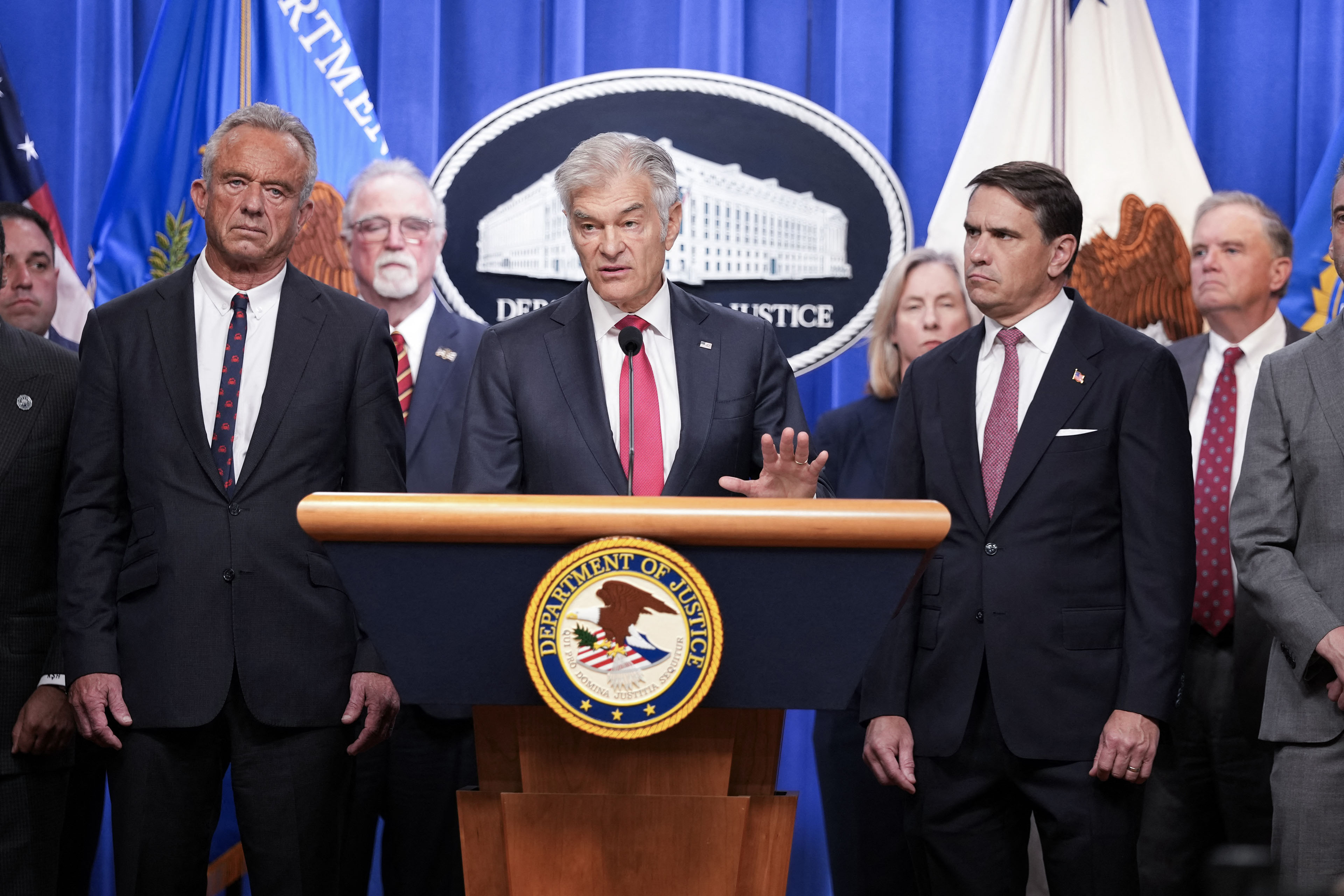
Following the expiration of the enhanced premium tax credits for people with Affordable Care Act (ACA) Marketplace plans, a new KFF follow-up survey of the same Marketplace enrollees KFF surveyed in 2025 finds half (51%) of returning enrollees say their health care costs are “a lot higher” this year compared to last year, including four in 10 who specifically say their premiums are “a lot higher.”
Choose which emails are best for you.
Sign up here
With Vice President Harris promising to address medical debt as part of her economic plan, KFF Executive Vice President for Health Policy Larry Levitt explores why it is a symptom of the broader problem of affordable health care and reviews recent efforts to address it in this JAMA Health Forum post.
Education leaders and policymakers are turning to cellphone bans in schools to help address youth mental health concerns and improve learning, an idea that has largely received bipartisan support. Cellphone ban legislation has had a resurgence following advisories from the U.S. Surgeon General on youth mental health and the impacts of social media. Research on the effectiveness of these bans, however, is limited, and challenges with implementation and enforcement remain.
This report examines the share of doctors participating in the provider networks of Qualified Health Plans (QHPs) offered in the individual market in the federal and state Marketplaces in 2021, and how network breadth affected costs for enrollees.
A KFF analysis of physician networks in the Affordable Care Act’s Marketplace plans finds wide variations in the share of local practicing physicians who participate, with the least costly plans generally having a smaller share of physicians than more expensive plans.
The side-by-side comparison tool provides a quick overview of former President Trump's and Vice President Harris' records, positions, public statements, and proposed policies on a range of key health care topics.
ACA Marketplace insurers are proposing a median premium increase of 7% for 2025, similar to the 6% premium increase filed for 2024, according to a new KFF analysis of the preliminary rate filings. Insurers’ proposed rate changes – most of which fall between 2% and 10% – may change during the review process.
This analysis of insurers' preliminary rate filings shows that ACA Marketplace insurers are requesting a median premium increase of 7% for 2025, similar to the 6% premium increase filed for 2024. Insurers cite growing health care prices – particularly for hospital care – as a key driver of premium growth in 2025.
A new KFF analysis shows that the share of young adults (ages 18 to 26) receiving mental health treatment rose by 45% between 2019 and 2022 – a steeper increase than in any other age group.
Enhanced premium subsidies were first made available under the American Rescue Plan Act and extended until the end of 2025 under the Inflation Reduction Act. This analysis shows the impact that enhanced subsidies have had on enrollment and premium payments, and the potential implications if the enhanced subsidies expire.
© 2026 KFF