Affordable Care Act

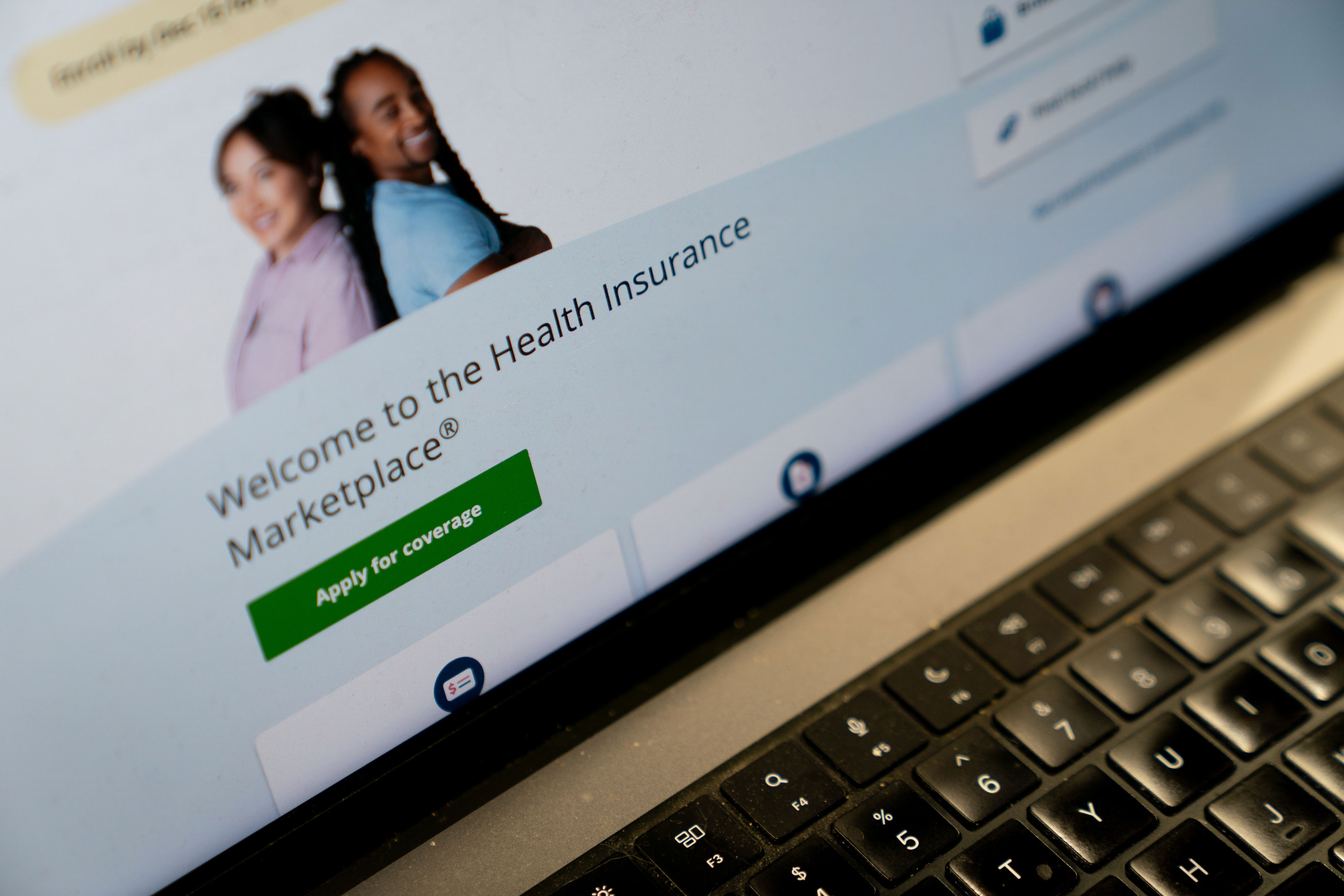
The ACA Marketplace

2025 KFF Marketplace Enrollees Survey

In 2025, about one in three ACA enrollees said they would be “very likely” to look for a lower-premium Marketplace plan If their premium payments doubled.

Cost Concerns and Coverage Changes: A Follow-Up Survey of ACA Marketplace Enrollees

Following the expiration of the enhanced premium tax credits for people with Affordable Care Act (ACA) Marketplace plans, a new KFF follow-up survey of the same Marketplace enrollees KFF surveyed in 2025 finds half (51%) of returning enrollees say their health care costs are “a lot higher” this year compared to last year, including four in 10 who specifically say their premiums are “a lot higher.”

Timely insights and analysis from KFF staff

Latest News

No Posts to Show

Subscribe to KFF Emails

Choose which emails are best for you.
Sign up here

Filter

341 - 350 of 2,769 Results

  • Survey on the Role of Health Care Interest Groups–Summary and Charts

    Poll Finding

    This summary and chartpack are from a survey conducted jointly by NPR, the Kaiser Family Foundation, and the Harvard School of Public Health examines the public’s views and opinions of the role of health care interest groups in the ongoing federal health care debate. The survey examines whether people feel their views are represented in the ongoing legislative process and their level of trust in different groups. The survey is part of a series of…

  • The COBRA Subsidy and Health Insurance for the Unemployed

    Issue Brief

    With the nation's unemployment rate rising to its highest levels in decades as a result of the recession, many families have lost their employer-sponsored health coverage or are at risk of doing so. In an effort to help people maintain coverage after a layoff, the stimulus legislation known as the American Recovery and Reinvestment Act of 2009 provides temporary subsidies to some workers so that they can maintain their previous employer-sponsored coverage through COBRA after…

  • The Public’s Health Care Agenda for the New President and Congress

    Poll Finding

      The Public's Health Care Agenda for the New President and Congress This survey captures the public's attitudes regarding the health care agenda for President Obama and the new Congress in 2009. It assesses the relative priority placed on health care by the American public as part of addressing the economic recession and as a large scale reform issue. The public's priorities for health care reform and their views on a range of other health…

  • Health Coverage in an Economic Downturn: Impact of Tight Budgets on Families and States

    Fact Sheet

    The economic downturn has strained family finances and prompted some Americans to cut back on medications and forgo preventive care and visits to the doctor. At the same time, the downturn has triggered declines in tax revenue that inhibit states’ ability to meet rising Medicaid program costs as enrollment spikes during economic hard times. Many states are expected to struggle to close budget gaps despite moves by Congress and the Obama Administration to temporarily boost…

  • Trends in Access to Care Among Working-Age Adults, 1997-2006

    Issue Brief

    Trends in Access to Care Among Working-Age Adults, 1997-2006 This policy brief finds about 39 million working-age adults nationally reported cost as a barrier to receiving needed health care in 2006, a number that grew by an average of 1 million people annually over the decade studied. Uninsured working-aged adults experienced the most consistent erosion over the 10 years, resulting in a widening gap in access to care between insured and uninsured adults. Policy Brief…

  • Kaiser Health Tracking Poll: October 2012

    Feature

    The October Health Tracking Poll finds, one week before the presidential election, the economy remains the primary concern on voters' minds, but health policy issues remain in the mix. The new survey finds that roughly a third of likely voters name the Affordable Care Act (37%), Medicare (36%), and Medicaid (30%) as "extremely important" to their vote, compared to half (52%) who say the same about the economy and jobs. But separate health care issues…

  • Current and Emerging Issues in Medicaid Risk-Based Managed Care: Insights from an Expert Roundtable

    Issue Brief

    Half of all Medicaid enrollees receive care through comprehensive risk-based managed care organizations (MCOs). Most Medicaid MCO enrollees today are low-income children and parents, but states are increasingly moving beneficiaries with more complex needs into MCOs. Managed care enrollment may grow more rapidly as states work with the Centers for Medicare & Medicare Services (CMS) to implement initiatives to better integrate Medicare and Medicaid benefits and care for dual eligibles. The Foundation’s Kaiser Commission on…

  • Kaiser Health Tracking Poll: July 2012

    Feature

    July's second Health Tracking Poll reports in further depth on public opinion toward the Affordable Care Act (ACA) in the wake of last month's key Supreme Court decision. When it comes to the individual mandate, the Court’s verdict that the controversial provision is constitutional as a tax appears to have had little impact on opinion, with upwards of six in ten viewing the mandate unfavorably whether it is described as "tax" or as a "fine."…

  • Program Integrity in Medicaid: A Primer

    Issue Brief

    Medicaid covers more than 60 million Americans and accounts for about one in six dollars spent on health care in the United States. Multiple agencies at the state and federal levels are involved in efforts to prevent waste, fraud and abuse in the program and ensure appropriate use of taxpayer dollars, and many program integrity initiatives are yielding positive results. The Affordable Care Act (ACA) builds on earlier efforts through the Deficit Reduction Act to…