Affordable Care Act

The ACA MarketplaceS

Change in February effectuated enrollment, by state, 2025-2026

How Has ACA Marketplace Enrollment Changed Across States in 2026?

ACA Marketplace enrollment fell this year in every state except New Mexico, which was the only state to fully replace the enhanced premium tax credits that expired last year with a state-funded subsidy, according to a new KFF analysis of effectuated enrollment data. The Marketplace enrollment decline—the first in seven years—follows several years of rapid enrollment growth and coincides with the end of the enhanced federal subsidies.
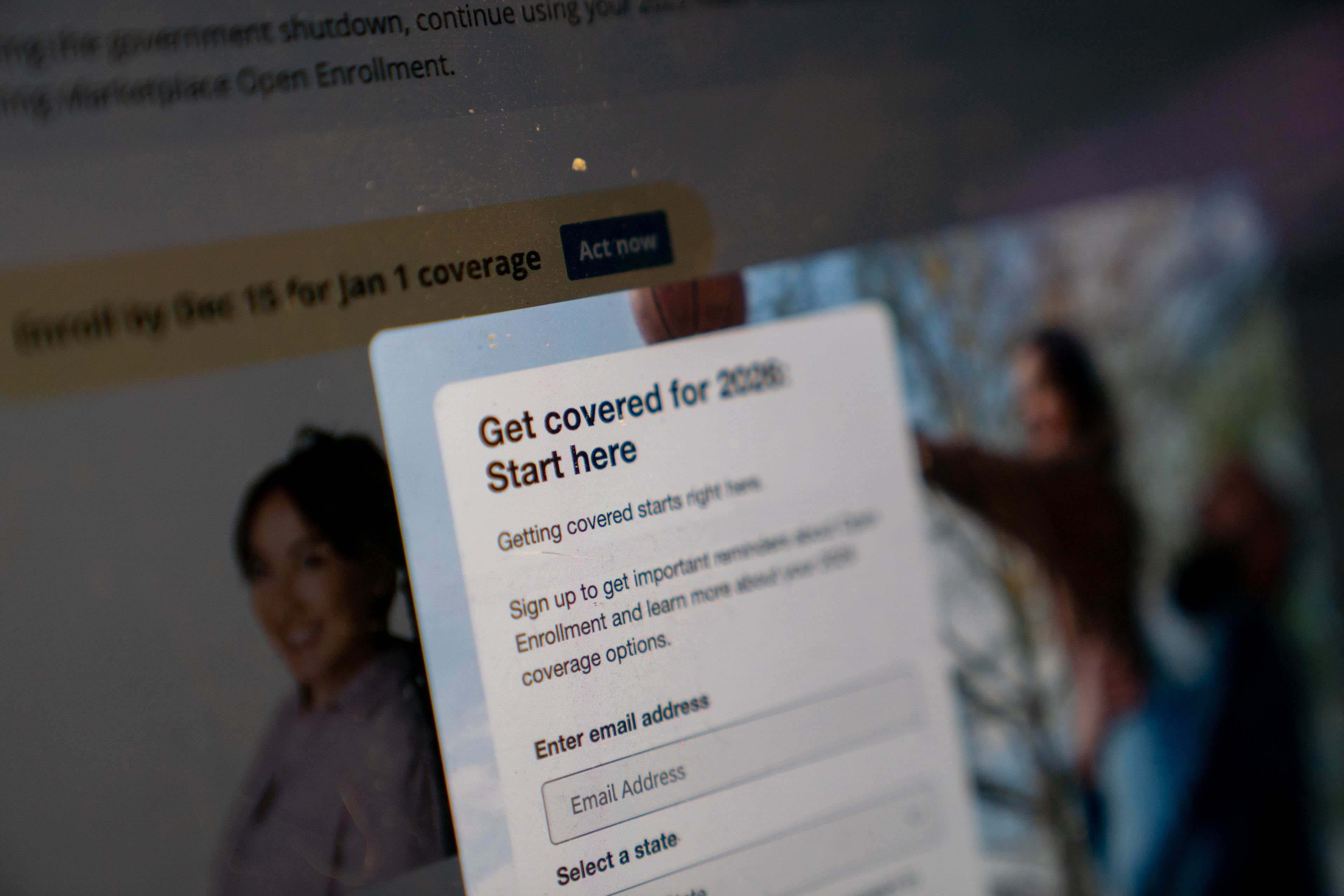

In Preliminary Rate Filings, ACA Marketplace Insurers Largely Propose Double-Digit Premium Increase For 2027, Following a Steep Climb This Year 

ACA Marketplace insurers are proposing a median premium increase of 14% for 2027— indicating a likely second consecutive year of double-digit increases, according to a new analysis of preliminary rate filings in 16 states and DC. If these increases hold, typical premiums for insurers participating in the ACA Marketplaces would jump by more than one-third between 2025 and 2027.

About the ACA

Promotional image for KFF video How Affordable is the Affordable Care Act

Did the Affordable Care Act Make Health Care More Affordable?

The expiration of the ACA’s enhanced premium tax credits at the start of 2026, combined with rising insurer premiums, put a spotlight on health care affordability that extends beyond Marketplace enrollees. KFF’s Cynthia Cox examines the ACA’s record and the broader underlying question it raises: what’s a fair price for Americans people to pay for health care?

Stay informed.

Stay informed.

Filter

301 - 310 of 2,783 Results

  • Kaiser Health Tracking Poll — May 2012

    Feature

    The May Health Tracking Poll focuses on the public's perceptions and reactions to women's reproductive health reemerging as a heated issue in policy debates and news and its potential impact on the upcoming presidential election. Three in ten women (31 percent) overall believe that there is currently a "wide-scale effort to limit women's reproductive health choices and services, such as abortion, family planning, and contraception" in the U.S. A larger share (45 percent) say there…

  • Medicaid Spending Growth over the Last Decade and the Great Recession, 2000-2009

    Report

    This report examines Medicaid spending growth nationally during the last decade, with a focus on growth during the recession of 2007 to 2009. The recession-driven enrollment growth in recent years drove program spending to increase faster than national health spending overall, but on a per enrollee basis the growth in Medicaid spending has remained lower than the rise in private insurance premiums and overall national health expenditures. The recession-driven increase in Medicaid enrollment has been…

  • Pulling it Together: Forget Math and Science, Teach Civics (Or Why We Need to Bring Back Schoolhouse Rock)

    Perspective

    I am seldom surprised by our poll findings, but this month’s tracking poll produced a doozy.  Twenty-two percent of the American people think the Affordable Care Act has been repealed, and another 26 percent aren't sure.  Those are surprisingly large numbers even with the 52 percent who still know it is the law of the land. How could a repeal "vote" in the House -- however dramatic but still, only symbolic -- be misunderstood as…

  • Kaiser Health Tracking Poll — December 2010

    Feature

    As 2010 draws to a close, the latest tracking poll shows the public still divided in their views of the health reform law, a sentiment largely unchanged since the law’s enactment in March. Forty-two percent of Americans say they have a generally favorable view of the law, while 41 percent have a generally unfavorable view of it. Seniors, generally more critical of the law than younger people, seem to be softening in their opposition as…

  • Alternatives for Financing Medicaid Expansions in Health Reform

    Report

    Expanding Medicaid to cover low-income populations has been a fundamental component of leading health reform proposals. The House Leadership Bill would expand Medicaid to 150 percent of the federal poverty level and the Senate Leadership Bill would expand Medicaid to 133 percent of the federal poverty level. In both scenarios the federal government would finance a substantial share of costs for the expansion groups.  This analysis, however, shows that it is possible to distribute increased…

  • Toplines: Kaiser Health Tracking Poll — July 2009

    Poll Finding

    This document contains the toplines from the July Health Tracking Poll. The survey was designed and analyzed by public opinion researchers at the Kaiser Family Foundation and was conducted July 7 through July 14, 2009, among a nationally representative random sample of 1,205 adults ages 18 and older. Telephone interviews conducted by landline (800) and cell phone (405, including 126 who had no landline telephone) were carried out in English and Spanish. The margin of…

  • Getting the Most Bang for Our Health Reform Buck: Enrolling and Retaining Everyone Who’s Eligible

    Event Date:
    Event

    As Congress looks for ways to increase access to health care, existing programs such as Medicaid and the Children's Health Insurance Program are often overlooked. Yet enrolling those who are eligible for such programs is one of the easiest ways to expand coverage. This briefing, co-sponsored by Alliance for Health Reform and the Pharmaceutical Research and Manufacturers of America (PhRMA), looked at ways to streamline recruitment and enrollment, while exploring how expanding Medicaid and CHIP…

  • Low-Wage Workers and Health Care

    Poll Finding

    This brief is based on a survey conducted this summer by The Washington Post, the Kaiser Family Foundation, and Harvard University to focus on the experiences and challenges facing the lowest paid members of the American workforce. Low-wage workers rate "getting more affordable health insurance" as the top priority for the federal government to improve people's financial situation. Sixty-two percent of low-wage workers find it "very" or "somewhat" difficult to afford health care and health…

  • Quantifying the Effects of Health Insurance Rate Review

    Report

    This report from the Kaiser Family Foundation analyzes the effect of government efforts to ensure that insurance premium increases are justifiable and provide value to consumers and small businesses. Rate review programs require insurers in the small group and individual markets to submit proposed rate increase requests to state or federal regulators, who determine if the requests are reasonable. The report finds that one out of every five requests submitted to states in 2011 resulted…

  • Presidential Candidates’ Platforms Reflect Sharp Differences in Perspectives of Democratic and Republican Primary Voters on Health Care Problems

    Poll Finding

    Embargoed for release until:Wednesday, January 23, 2008 For further information contact: Kate Schoen, Kaiser, (650) 854-9400, kschoen@kff.orgTodd Datz, HSPH, (617) 432-3952, tdatz@hsph.harvard.edu Presidential Candidates’ Platforms Reflect Sharp Differences in Perspectives of Democratic and Republican Primary Voters on Health Care Problems Analysis Draws On Data From New Kaiser/Harvard Survey of Likely Voters in Early Primary States, As Well As 10 Recent National Polls With the next wave of presidential primary elections quickly approaching, researchers from Harvard…