Affordable Care Act

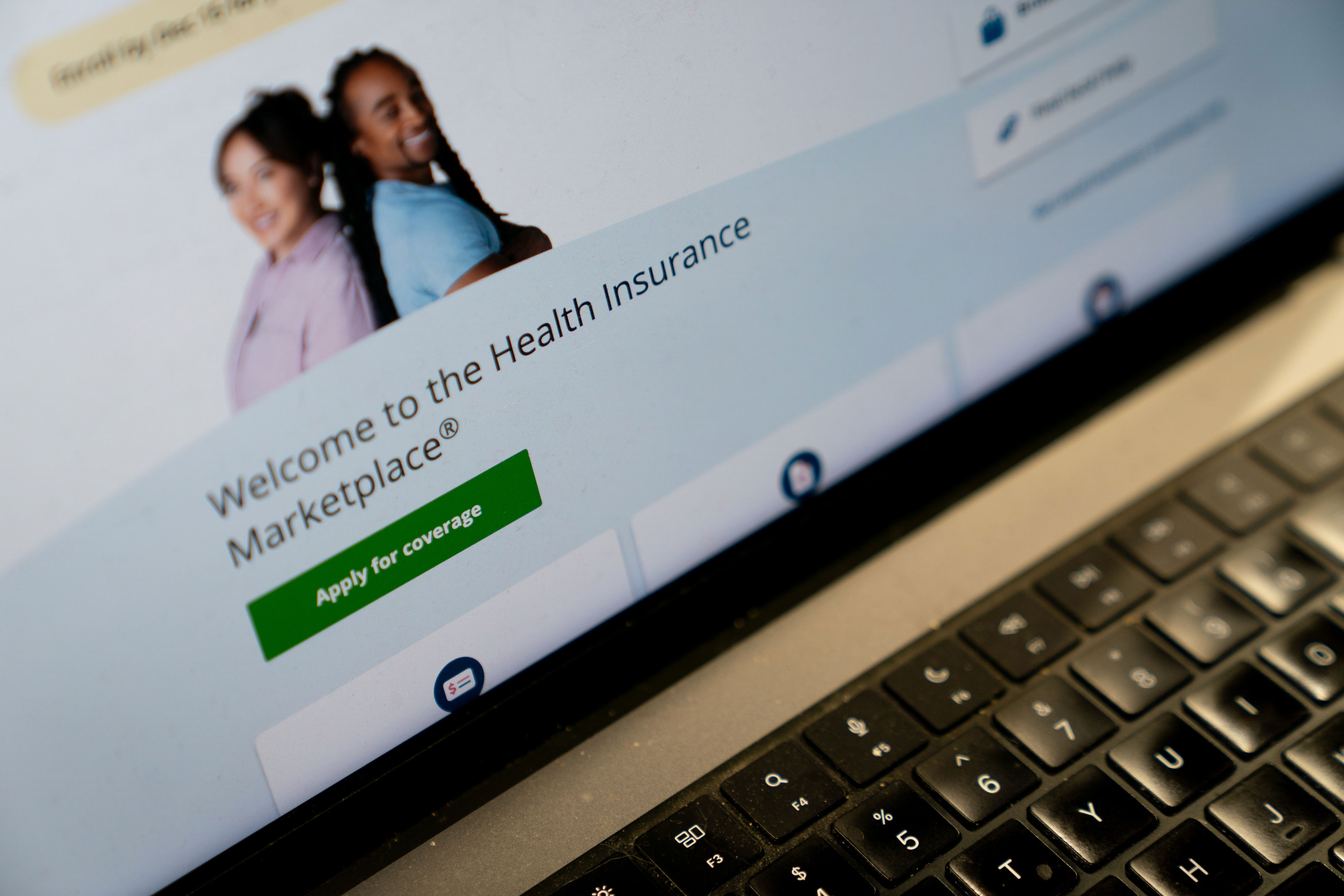
The ACA Marketplace

2025 KFF Marketplace Enrollees Survey

In 2025, about one in three ACA enrollees said they would be “very likely” to look for a lower-premium Marketplace plan If their premium payments doubled.

Cost Concerns and Coverage Changes: A Follow-Up Survey of ACA Marketplace Enrollees

Following the expiration of the enhanced premium tax credits for people with Affordable Care Act (ACA) Marketplace plans, a new KFF follow-up survey of the same Marketplace enrollees KFF surveyed in 2025 finds half (51%) of returning enrollees say their health care costs are “a lot higher” this year compared to last year, including four in 10 who specifically say their premiums are “a lot higher.”

Timely insights and analysis from KFF staff

Latest News

No Posts to Show

Subscribe to KFF Emails

Choose which emails are best for you.
Sign up here

Filter

2,461 - 2,470 of 2,771 Results

  • KFF Health Tracking Poll – May 2020

    Report

    This poll examines people's views on the coronavirus (COVID-19) outbreak as many states begin to re-open their states and the economy, including their expectations, experiences and attitudes about the government responses heading into Summer 2020. It also assesses voters' views ahead of the presidential election in November.

  • Poll: Nearly Half of the Public Say They or a Family Member Skipped or Delayed Care Due to Coronavirus, But Most Plan to Get Care in the Coming Months

    News Release

    Nearly One in Four Expect a Family Member to Turn to Medicaid in the Coming Year, and Majorities across Party Lines Oppose Medicaid Cuts to Address State Budget Shortfalls Amid the threat of coronavirus, nearly half (48%) of Americans say someone in their family has skipped or delayed getting some type of medical care due…

  • Substance Use Issues Are Worsening Alongside Access to Care

    Policy Watch

    Drug overdose deaths rose during the early part of the COVID-19 pandemic, with some of the biggest jumps occurring among people of color. This analysis breaks out drug overdose deaths by race and ethnicity for the first nine months of 2020, to the same period in each of the two prior years. It also looks at access to care issues and recent and pending legislation aimed at addressing the nation’s substance use and mental health challenges.

  • Summary of Costs and Impact of the Prescription Drug Provisions in the Build Back Better Act

    News Release

    As the House-passed Build Back Better Act moves to the Senate, a new explainer from KFF summarizes the key prescription drug provisions within the broader budget reconciliation bill. These provisions would lower prescription drug costs paid by people with Medicare and private insurance and curb drug spending by the federal government and private payers.

  • This graphic explains the main features of new surprise billing protections.

    No Surprises Act Implementation: What to Expect in 2022

    Issue Brief

    The “No Surprises Act,” which establishes new federal protections against most surprise out-of-network medical bills when a patient receives out-of-network services during an emergency visit or from a provider at an in-network hospital without advance notice, will take effect next month. A new KFF brief outlines what to expect in 2022.

  • How Many Uninsured Adults Could Be Reached If All States Expanded Medicaid?

    Issue Brief

    As more people lose their jobs and accompanying ESI, more may fall into the coverage gap, particularly starting in 2021 after unemployment benefits expire for many who have lost their jobs and incomes are likely to drop below the minimum threshold for marketplace subsidies. This analysis estimates how many uninsured adults—including those uninsured even before the pandemic and those who could become uninsured as a result of it— could become eligible for Medicaid if states that have not yet expanded the program do so.

  • Declines in Uncompensated Care Costs for The Uninsured under the ACA and Implications of Recent Growth in the Uninsured Rate

    Issue Brief

    The increase in the uninsured rate in recent years, as well as loss of coverage during the pandemic, has led to attention on the consequences of being uninsured. The need for medical care to test, treat, or prevent COVID-19 has also highlighted the potential consequences of uncompensated care for uninsured people. Uncompensated care costs occur because, although people who are uninsured use less care than people with coverage, most who are uninsured have limited income or resources and cannot afford the high cost of medical care, if and when they do need or use health care.

  • Sources of Payment for Uncompensated Care for the Uninsured

    Issue Brief

    This brief estimates the level of public funding that was paid to help offset providers’ uncompensated care costs for the uninsured in 2017. To conduct the analysis, we rely on several secondary data sources including government budget appropriations and expenditure data for major public programs that provided funds to cover the cost of care for the uninsured, as well as analyses of secondary data sources completed by others.