Affordable Care Act

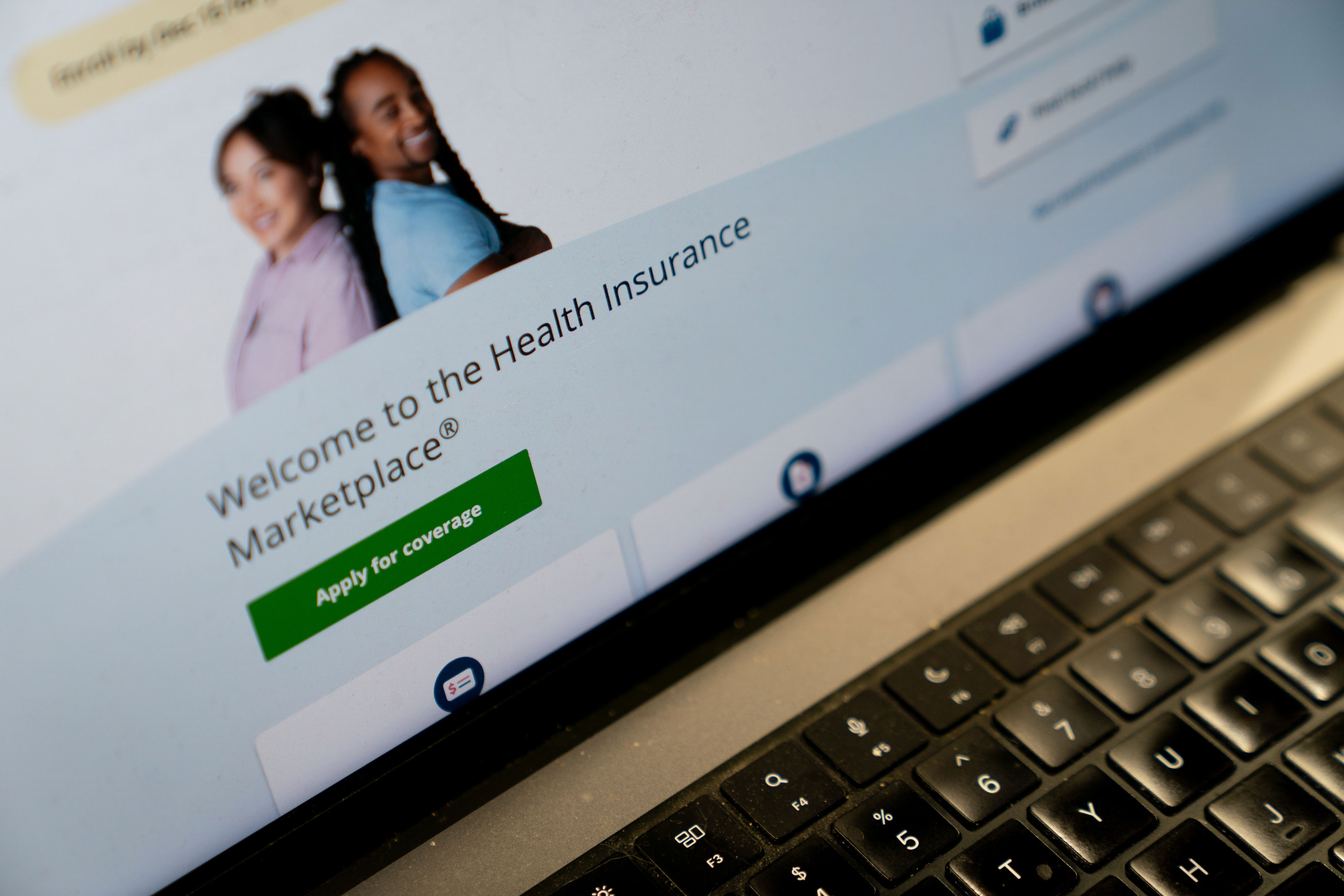
The ACA MarketplaceS

POLLING on the ACA

Tracking the Public’s Views on the ACA

While overall opinion of the Affordable Care Act has been more favorable than unfavorable since 2017, there remain deep partisan divides. See how public opinion on the ACA has changed from the inception of the law to the present. This interactive tool highlights key moments when views shifted and trends based on party identification, income, age, gender, and race/ethnicity.

Stay informed.

Stay informed.

Filter

2,221 - 2,230 of 2,775 Results

  • Analysis Examines How Gaining Health Coverage Affected Consumers’ Lives in 2014

    News Release

    An analysis of a 2014 survey by the Kaiser Family Foundation finds that previously uninsured Americans who obtained health coverage that year experienced improved access to care and a decrease in financial insecurity, though they remained concerned about cost.  The analysis of the 2014 Kaiser Survey of Low-Income Americans and the ACA finds that about 11 million previously uninsured nonelderly adults obtained health coverage during 2014, the year the ACA’s new coverage options were fully…

  • Kaiser Health Tracking Poll: Late June 2015 – A Special Focus On The Supreme Court Decision

    Feature

    The latest Kaiser Health Tracking Poll finds that when told that the U.S. Supreme Court ruled to keep the Affordable Care Act (ACA) as it is, allowing subsidies to be provided to low- and moderate-income people in all states regardless of who runs their Marketplace, about 6 in 10 say they approve of the decision while about a third disapprove. The King v. Burwell ruling does not appear to have had an immediate effect on…

  • JAMA Forum: The Partisan Divide on Health Care

    Perspective

    In this post for JAMA, the Kaiser Family Foundation's Larry Levitt outlines the health care platforms of the Republican and Democratic parties, noting their fundamentally different aims and differing ideas about, among other things, the Affordable Care Act (also known as Obamacare) and Medicare.

  • A Final Look: California’s Previously Uninsured after the ACA’s Third Open Enrollment Period

    Report

    The Kaiser Family Foundation California Longitudinal Panel Survey is a series of surveys that, over time, tracked the experiences and views of a representative, randomly selected sample of Californians who were uninsured prior to the major coverage expansions under the Affordable Care Act (ACA). The initial baseline survey was conducted with a representative sample of 2,001 nonelderly uninsured Californian adults in summer 2013, prior to the ACA’s initial open enrollment period. After each enrollment period…

  • CMS’s Denial of Proposed Changes to Medicaid Expansion in Ohio

    Fact Sheet

    This fact sheet discusses CMS's denial of Ohio's proposed changes to its existing Medicaid expansion . It also provides an overview of the proposed changes as included in the state's Section 1115 demonstration waiver application.

  • New Survey Finds 72% of Previously Uninsured Californians Now Have Coverage, Including 78% of Those Eligible for New Affordable Care Act Options

    News Release

    For Remaining Uninsured Residents, Cost and Immigration Status Are Main Obstacles Three years after the Affordable Care Act’s coverage expansions were fully implemented in California, nearly three quarters (72%) of the state’s previously uninsured residents now have health coverage, finds the fourth Kaiser Family Foundation Longitudinal Panel Survey, which is tracking the experiences of a randomly selected group of Californian adults who were uninsured in 2013. This is similar to the share who reported having insurance…

  • The ACA Marketplace Problems in Context (and Why They Don’t Mean Obamacare Is ‘Failing’)

    From Drew Altman

    In this Wall Street Journal Think Tank column, Drew Altman discusses the latest challenges faced by the Affordable Care Act (ACA) marketplaces and why they should be kept in perspective: “If Obamacare had bipartisan support, they would be treated much more like mundane implementation issues to be addressed by Congress than glaring headlines about Obamacare failure.”