Affordable Care Act

The ACA MarketplaceS

Change in February effectuated enrollment, by state, 2025-2026

How Has ACA Marketplace Enrollment Changed Across States in 2026?

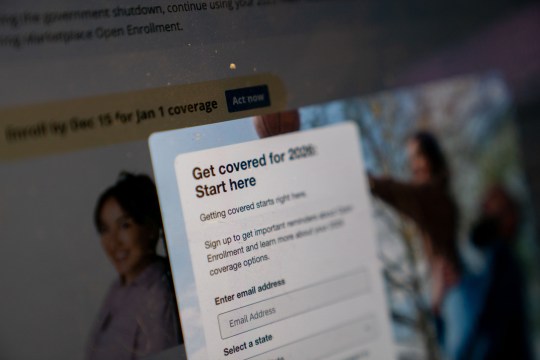
ACA Marketplace enrollment fell this year in every state except New Mexico, which was the only state to fully replace the enhanced premium tax credits that expired last year with a state-funded subsidy, according to a new KFF analysis of effectuated enrollment data. The Marketplace enrollment decline—the first in seven years—follows several years of rapid enrollment growth and coincides with the end of the enhanced federal subsidies.


How Much and Why ACA Marketplace Premiums Are Going Up in 2027

ACA Marketplaces insurers are proposing a median premium increase of 15% in 2027, according to KFF’s updated analysis of 276 insurers with publicly available filings across all 50 states and the District of Columbia. This is the second consecutive year of double-digit premium hikes. Last year’s median nationwide proposed rate change was 18%, and the median finalized rate change was 20%. While this proposed rate change is lower than last year, it represents the second-highest requested rate change since 2018, as premium growth had been relatively flat in this market for several years.

About the ACA

Promotional image for KFF video How Affordable is the Affordable Care Act

Did the Affordable Care Act Make Health Care More Affordable?

The expiration of the ACA’s enhanced premium tax credits at the start of 2026, combined with rising insurer premiums, put a spotlight on health care affordability that extends beyond Marketplace enrollees. KFF’s Cynthia Cox examines the ACA’s record and the broader underlying question it raises: what’s a fair price for Americans people to pay for health care?

Stay informed.

Stay informed.

Filter

1,951 - 1,960 of 2,787 Results

  • If Health Insurance Subsidies Are Struck Down, States Will Need Time

    From Drew Altman

    In this column for The Wall Street Journal's Think Tank, Drew Altman explores a practical timetable for state action if the Supreme Court rules in favor of the plaintiffs in King V. Burwell and ponders what Republicans in Congress might do.

  • Medicaid Moving Forward

    Issue Brief

    Medicaid is the nation’s main public health insurance program for people with low incomes, and it is the single largest source of health coverage in the U.S., covering nearly 70 million Americans. Medicaid also finances 16% of total personal health spending in the nation. States design and administer their own Medicaid programs within federal requirements, and states and the federal government finance the program jointly. As a major payer, Medicaid is a core source of…

  • Health-Care Deductibles Climbing Out of Reach 

    News Release

    In his latest column for The Wall Street Journal's Think Tank, Drew Altman explores the trend of higher deductibles in health plans and discusses a new analysis showing that many people with insurance don’t have sufficient financial resources to pay a mid- or high-range deductible. All previous columns by Drew Altman are available online.

  • Repayments and Refunds: Estimating the Effects of 2014 Premium Tax Credit Reconciliation

    Issue Brief

    This analysis estimates the range of repayment or refund amounts of the advanced premium tax credits issued to enrollees who experience income volatility between the time of enrollment and tax credit reconciliation. Using a simulation model among all households eligible for advance payments of the premium tax credits under the Affordable Care Act, it estimates that half would owe a repayment while 45 percent would be issued a refund of some or all of premium…

  • Measles Outbreak and Vaccination Debate Capture Public’s Attention

    News Release

    Those Following Measles Story More Likely To Say They Worry About the DiseaseThe public paid more attention to news coverage of the measles outbreak in the U.S. and the resulting debate on whether vaccinations should be required for all kids than any other news story included in this month's Kaiser Health Policy News Index. A total of 70 percent of Americans say they closely followed the measles story, more than say the same about the…

  • New Analysis: Half of U.S. Households Eligible for a Tax Subsidy Under the Health Law Would Owe a Repayment, While 45 Percent Would Receive a Refund

    News Release

    Estimated Average Repayment is $794. Estimated Average Refund is $773. Half of U.S. households eligible for a 2014 tax subsidy under the Affordable Care Act would owe a repayment to the government, while 45 percent would receive a refund, according to estimates from a new analysis by the Kaiser Family Foundation. The analysis – which is a simulation based on historical patterns of income volatility among all households eligible for ACA premium subsidies -- estimates that the…

  • Medicaid and Family Planning: Background and Implications of the ACA

    Issue Brief

    This brief reviews the role of Medicaid in financing and enabling access to family planning services for low-income women; discusses how states have expanded access to these services with Medicaid; and highlights future programmatic challenges in the context of the health care delivery and coverage reforms resulting from the Affordable Care Act (ACA).

  • Coverage of Contraceptive Services: A Review of Health Insurance Plans in Five States

    Report

    The Patient Protection and Affordable Care Act (ACA) requires most private plans to provide coverage for women’s preventive health care, including all prescribed FDA-approved contraceptive services, without cost sharing. To better understand how this provision is being implemented by health plans, Kaiser Family Foundation (KFF) staff, with the Lewin Group, reviewed the insurance plan coverage policies for 12 prescribed contraceptive methods (excluding oral contraceptives). This report presents information from 20 different insurance carriers in five…

  • The Pennsylvania Health Care Landscape

    Fact Sheet

    The Affordable Care Act (ACA) went into full effect on January 1, 2014, ushering in health insurance reforms and new health coverage options in Pennsylvania and elsewhere across the country. Pennsylvania is experiencing changes to its health care delivery system as the state expands Medicaid, provides new coverage options through the federal health insurance marketplace, streamlines application and enrollment processes for coverage programs, and implements new health care delivery system and payment reforms. This fact…

  • Medicaid Expansion, Health Coverage, and Spending: An Update for the 21 States That Have Not Expanded Eligibility

    Issue Brief

    Ever since the Supreme Court ruled in June 2012 that states could effectively choose whether or not to accept the Affordable Care Act’s expansion of Medicaid eligibility, that choice has been one of the most prominent and often one of the most contentious issues for states. In this report, we provide new projections of the impact of Medicaid expansion on health coverage, Medicaid enrollment, and costs in states that have not expanded Medicaid.