2025 KFF Marketplace Enrollees Survey
In 2025, about one in three ACA enrollees said they would be “very likely” to look for a lower-premium Marketplace plan If their premium payments doubled.
The independent source for health policy research, polling, and news.
KFF’s policy research provides facts and analysis on a wide range of policy issues and public programs.
KFF designs, conducts and analyzes original public opinion and survey research on Americans’ attitudes, knowledge, and experiences with the health care system to help amplify the public’s voice in major national debates.
KFF Health News is a national newsroom that produces in-depth journalism about health issues and is one of the organization’s core operating programs.
In 2025, about one in three ACA enrollees said they would be “very likely” to look for a lower-premium Marketplace plan If their premium payments doubled.
Adults ages 50 to 64 are disproportionately affected by the expiration of ACA enhanced premium tax credits because they make up a large number of Marketplace enrollees and premiums rise with age.
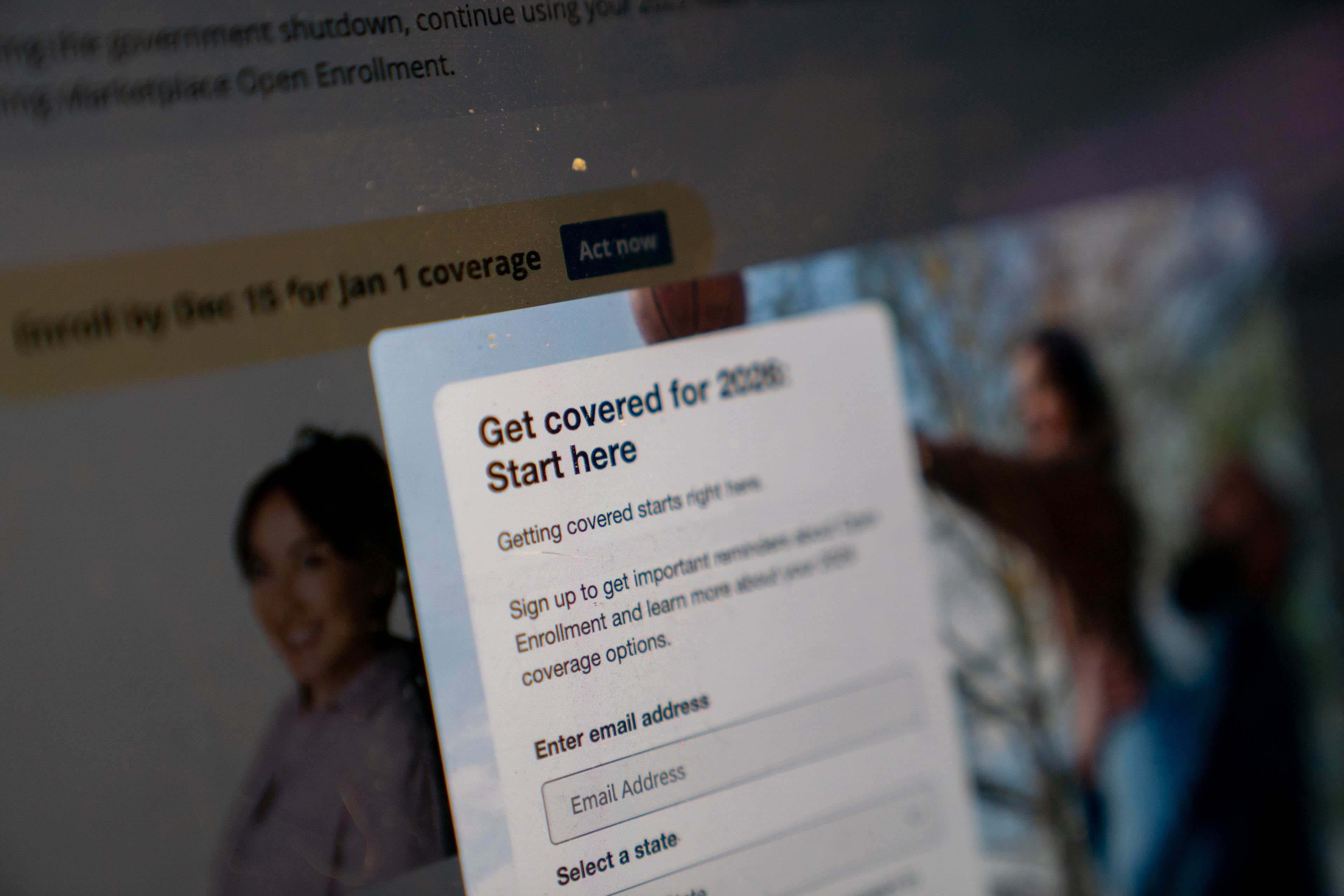
Following the expiration of the enhanced premium tax credits for people with Affordable Care Act (ACA) Marketplace plans, a new KFF follow-up survey of the same Marketplace enrollees KFF surveyed in 2025 finds half (51%) of returning enrollees say their health care costs are “a lot higher” this year compared to last year, including four in 10 who specifically say their premiums are “a lot higher.”
Choose which emails are best for you.
Sign up here
Larry Levitt’s August 2015 piece analyzes Affordable Care Act replacement plans proposed by 2016 Republican presidential candidates, and compares them to the health care law. The post is now available at the Los Angeles Times.
This fact sheet provides an overview of population health, health coverage, and the health care delivery system in California in the era of health reform.
A new issue brief from the Kaiser Family Foundation finds that Arkansas’ “private option” Medicaid expansion has helped reduce the number of uninsured and bring down uncompensated care costs while strengthening the state’s ACA marketplace.
Based on stakeholder interviews and early data on coverage, reduced uncompensated care costs, and other topics, this issue brief provides an initial look at implementation of Arkansas' Section 1115 Medicaid expansion demonstration waiver to require most adults newly eligible for Medicaid through the Affordable Care Act's Medicaid expansion to enroll in Marketplace plans.
In his latest column for The Wall Street Journal's Think Tank, Drew Altman analyzes the politics of Republican Affordable Care Act replacement plans and the challenges all Republican candidates will face distinguishing themselves from others on the ACA in a crowded primary field. All previous columns by Drew Altman are available online.
In this column for The Wall Street Journal's Think Tank, Drew Altman analyzes the politics of Republican Affordable Care Act replacement plans and the challenges all Republican candidates will face distinguishing themselves from others on the ACA in a crowded primary field.
Share of Potentially-Affected Employers Could Grow to 30% in 2023, 42% in 2028, Analysis Finds New projections from the Kaiser Family Foundation estimate that one in four employers (26%) offering health benefits could be subject to the Affordable Care Act’s tax on high-cost health plans, also known as the "Cadillac plan" tax, in 2018 unless…
As fall approaches, we can expect to hear more about how employers are adapting their health plans for 2016 open enrollments. One topic likely to garner a good deal of attention is how the Affordable Care Act’s high cost plan tax (HCPT), sometimes called the “Cadillac plan” tax or "Cadillac tax," is affecting employer decisions about their health benefits. The tax takes effect in 2018.
The potential of facing an HCPT assessment as soon as 2018 is encouraging employers to assess their current health benefits and consider cost reductions to avoid triggering the tax. Some employers announced that they made changes in 2014 in anticipation of the HCPT, and more are likely to do so as the implementation date gets closer.
With renewed discussion of the high cost of prescription drugs recently, the August Kaiser Health Tracking poll finds that most Americans feel that drug costs are unreasonable and that drug companies put profits before people. At the same time, the public largely values the role prescription drug companies play, with most saying that prescription drugs developed in the past two decades have made the lives of people in the U.S. better, including about 4 in 10 who say a lot better. When it comes to their views of the Affordable Care Act (ACA) this month, the American public remains divided in their opinion of the law. Those who favor repeal are divided on whether the law should be replaced with a Republican-sponsored alternative or if it should be repealed and not replaced
Large Bipartisan Majorities Support Range of Policy Changes They Believe Would Curb Drug Costs Opinion on the Affordable Care Act Remains Largely Unchanged In August About half of Americans (54%) report currently taking a prescription drug, and a large majority of them (72%) say their prescriptions are very or somewhat easy to afford.
© 2026 KFF