Health Costs

Health Care Affordability

Trump Has No Health Plan, He Has the Art of the Health Care Deal

Trump Has No Health Plan, He Has the Art of the Health Care Deal

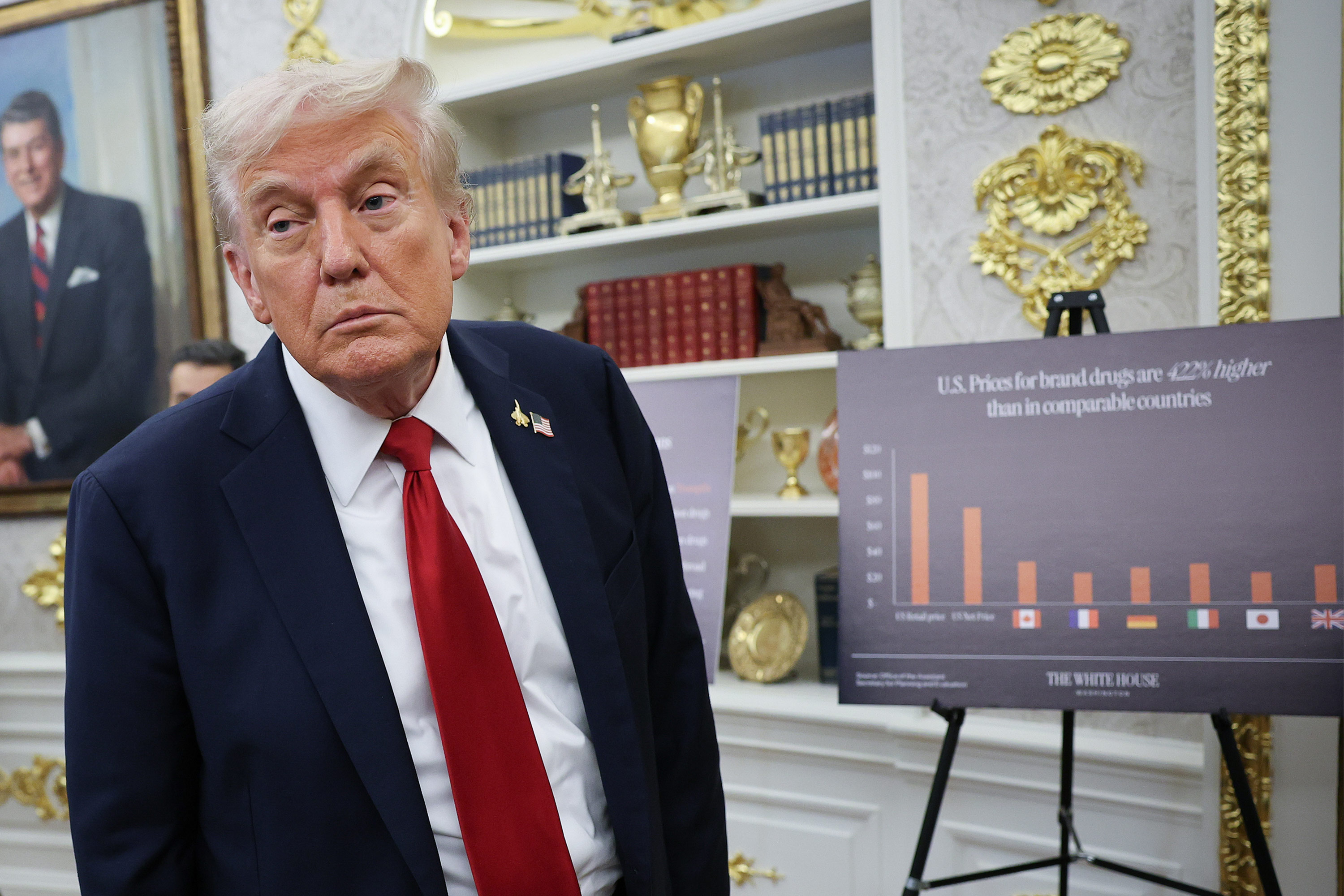
KFF CEO Dr. Drew Altman analyzes President Trump’s “make a deal” approach to health care. He explains that while the president doesn’t have a health reform plan, or even “concepts of a plan,” or a replacement for the ACA, he does have a distinctive set of tactics that features one-off deals with the health care industry that are more like “health policy by transaction.” He writes that the deals “even do some good,” but “don’t change the long-term incentives of health care companies that participate in the deals,” and a big question is “whether they have staying power.”

Affordable Care Act

Updated Larry QT on ePTCs

There is No Drop-Dead Date for an ACA Tax Credit Extension, But Coverage Losses Will Mount as the Clock Ticks

While the Affordable Care Act’s enhanced premium tax credits expired at the end of 2025, there is no absolute drop-dead date for extending them. An extension could happen even after the deadline to sign up for coverage and be made retroactive to January 1. Open enrollment could also be extended to allow people time to change their plans or allow new people to sign up. ACA enrollees would welcome premium relief whenever it comes, explains KFF's Larry Levitt.

Policy Changes Bring Renewed Focus on High-Deductible Health Plans 

Policy changes, anticipated increases in premium costs for enrollees, and new standards for health savings accounts may encourage consumers to seek out plans with lower premiums but higher deductibles. This issue brief explores the features of bronze and catastrophic plans, coverage and costs, and the complicated choices consumers face.

KEY RESOURCES
  • Health Policy 101: Costs and Affordability

    This Health Policy 101 chapter explores trends in health care costs in the U.S. and the factors that contribute to this spending. It also examines how health care spending varies and the impact on affordability and people's overall financial vulnerability.  


  • Americans’ Challenges with Health Care Costs

    This data note reviews our recent polling data that finds that Americans struggle to afford many aspects of health care, including disproportionate shares of uninsured adults, Black and Hispanic adults and those with lower incomes.

  • National Health Spending Explorer

    This interactive Peterson-KFF Health System Tracker tool allows users to examine five decades worth of data on health expenditures by federal and local governments, private insurers, and individuals.

  • Polling on Prescription Drugs and Their Prices

    This chart collection draws on recent KFF poll findings to provide an in-depth look at the public’s attitudes toward prescription drugs and their prices. Results include Americans’ opinions on drug affordability, pharmaceutical companies, and various potential measures that could lower prices.

Subscribe to KFF Emails

Choose which emails are best for you.
Sign up here

Filter

151 - 160 of 1,544 Results

  • The Affordable Care Act After Six Years

    From Drew Altman

    In this column for The Wall Street Journal’s Think Tank, Drew Altman examines the role of the Affordable Care Act in the health system on its sixth anniversary, and how the hot debate about the law may have created an exaggerated impression of the good and the bad it can do.

  • What Are the Current Costs and Outcomes Related to Mental Health and Substance Abuse Disorders?

    Feature

    Mental health and substance use disorders, including addiction to opioids, are the leading cause of disease burden in the United States, and the U.S. has the highest mortality rate for these disorders among similarly wealthy countries. This slideshow explores the prevalence, outcomes, access to care, and costs of mental health disorders and substance abuse in the United States.

  • What do we know about the burden of disease in the United States?

    Feature

    This slideshow examines disease burden in the United States and comparable countries as measured by Disability Adjusted Life Years (DALYs), which take into account years of life lost due to premature death and years of productive life lost to poor health or disability. Although the U.S. disease burden rate dropped 14 percent between 1990 and 2010. comparable countries saw an average decrease of 18 percent. In the United States, mental health and musculoskeletal disorders are the leading cause of years lost to disability, while cancer and circulatory diseases are the leading causes of years of life lost.

  • Prescription Drug Costs Remain Atop the Public’s National Health Care Agenda, Well Ahead of Affordable Care Act Revisions and Repeal

    News Release

    28% of Public Report Asking Doctor about a Drug They Saw Advertised, and 12% Say Their Doctor Prescribed It Few Workers Expect Raises if Employers Reduce Health Benefits to Avoid Cadillac Tax as Many Economists Predict With some presidential candidates laying out details of their health care platforms, the cost of prescription drugs remains at…

  • Health Care Costs: What You Need To Know

    Event Date:
    Event

    On Wednesday, April 1, the Kaiser Family Foundation and the Alliance for Health Reform presented a briefing to explore the trends in health care costs in both the public and private sectors.

  • How Health Care Factors Into the Presidential Campaign

    From Drew Altman

    In this column for The Wall Street Journal's Think Tank, Drew Altman discusses how health care issues have cooled in the election season but matter more for certain voting groups than others, and for “health care voters” encompass more than the Affordable Care Act.

  • Large Majorities Across Parties Favor Allowing the Federal Government to Negotiate Drug Prices, Even After Hearing Common Arguments About It

    News Release

    Most of the Public Lacks Confidence that President Biden, Congressional Democrats or Republicans Will Do the Right Thing on Drug Prices Allowing the federal government to negotiate with drug companies to lower drug prices for Medicare beneficiaries and people enrolled in private plans – a key cost-saving proposal in the Democrats’ massive reconciliation bill –…