From Drew Altman

Drew Altman is president and chief executive officer of KFF, a position he has held for more than 30 years since founding the modern-day KFF organization in the 1990s. He is a leading expert on national health policy issues and an innovator in health journalism and the nonprofit field.

View full bio | Read Dr. Altman's Beyond the Data columns

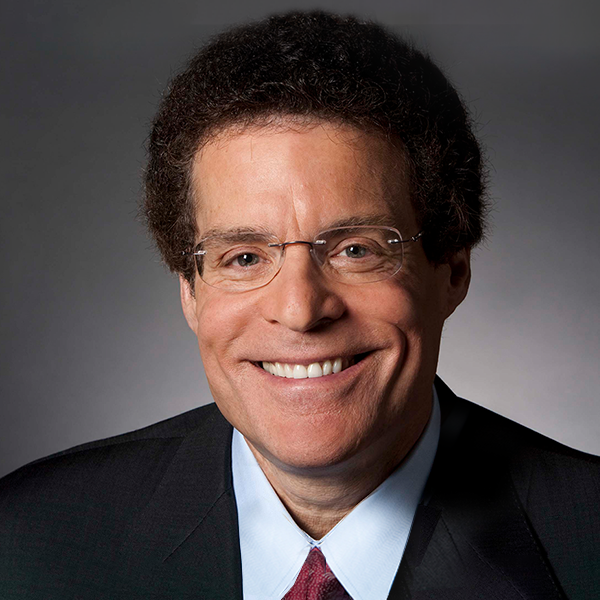
Photo of Drew Altman

President’s Message

“KFF is an independent source of health policy research, polling, and journalism. We have four major program areas: KFF Policy; KFF Polling; KFF Health News (formerly Kaiser Health News); and KFF Social Impact Media, which conducts specialized public health information campaigns. Learn more about the organization. 

What’s unique about KFF, however, can’t be found in any description of our programs because we’re more than a sum of our parts. KFF is a one-of-a-kind information organization. Not a policy research organization. Not a polling organization. And not a news organization. But rather, a unique combination of all three. That’s the vision behind KFF, and it's this combination that allows us to leverage our combined expertise and assets to play our national role on health policy.” Read more

Beyond the Data

In his “Beyond the Data” columns, Drew Altman discusses what the data, polls, and journalism produced by KFF mean for policy and for people.

BTD Health Policy in 2026

Health Policy in 2026

In a new column, President and CEO Dr. Drew Altman forecasts eight things to look for in health policy in 2026. “First and foremost,” he writes, “is the role health care affordability will play in the midterms.” And, he notes: “The average cost of a family policy for employers could approach $30,000 and cost sharing and deductibles will rise again after plateauing for several years.”

Filter

151 - 160 of 331 Results

  • How to Keep ACA Stabilization Narrow

    From Drew Altman

    In this column for Axios, Drew Altman discusses the main challenges for members and media coverage as members take up the issue of stabilization of the Affordable Care Act.

  • The ACA Stability “Crisis” In Perspective

    From Drew Altman

    In this column for Axios, Drew Altman presents new data analysis showing how many people are impacted by premium increases in the non-group market, and discusses the implications. 

  • It’s Not Obamacare Anymore. It’s Our National Health-Care System.

    From Drew Altman

    In this Washington Post op-ed, Drew Altman and Larry Levitt discuss why the latest Republican effort to repeal and replace the Affordable Care Act failed and what it will take for congress and the administration to address the next challenge, providing long-term stability to the ACA marketplaces.

  • Public Wants Republicans to Work with Democrats on Health Care

    From Drew Altman

    In this column for Axios, Drew Altman discusses a new poll finding showing substantial support for Republicans to drop repeal and work with Democrats on improving the Affordable Care Act, from the general public, Trump supporters, and Republicans.

  • The Republican Base is Getting Less Excited About Health Care

    From Drew Altman

    In this Axios column, Drew Altman explains that as Republican policymakers are focused on delivering a repeal of Obamacare for their base, polling shows that it’s not a top priority for Trump supporters, and their intensity on a replacement plan has declined, suggesting that the issue may not drive turnout for future elections.

  • The Great Medicaid Divide

    From Drew Altman

    In his Axios column, Drew Altman examines how the core views Republicans have about Medicaid differ from those of Democrats and Independents, and how those views drive the policy changes they are proposing for the program.

  • What’s Really At Stake In the Medicaid Spending Debate

    From Drew Altman

    In this Axios column, Drew Altman highlights that the federal debate about the American Health Care Act’s Medicaid spending reductions will ultimately be a debate about every state’s general budget spending priorities, as states discuss whether to offset reductions in federal revenues with some combination of cuts to their Medicaid programs, increased taxes, and cuts to spending in other areas.