Private Insurance

Health Care Affordability

BTD Health Policy in 2026

Health Policy in 2026

In a new column, President and CEO Dr. Drew Altman forecasts eight things to look for in health policy in 2026. “First and foremost,” he writes, “is the role health care affordability will play in the midterms.” And, he notes: “The average cost of a family policy for employers could approach $30,000 and cost sharing and deductibles will rise again after plateauing for several years.”

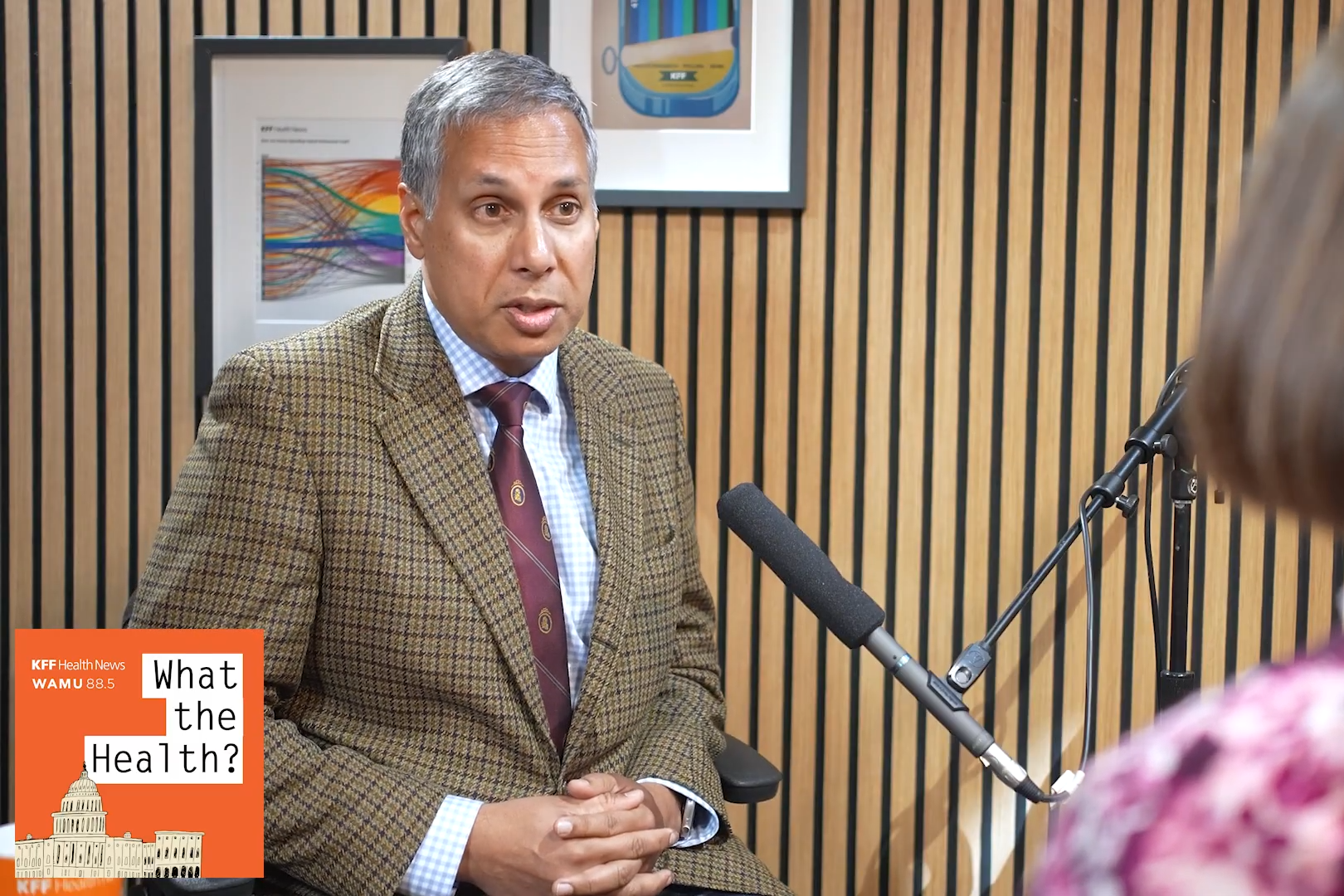
View all of Drew’s Beyond the Data Columns

Subscribe to KFF Emails

Choose which emails are best for you.
Sign up here

Filter

571 - 580 of 880 Results

  • What to Look for in 2017 ACA Marketplace Premium Changes

    Perspective

    This brief discusses the key factors that will influence the rate changes that insurers are requesting in 2017 Affordable Care Act (ACA) Marketplaces, including current premiums, forecasted enrollment changes, increases in price and use of services, changes in policy design or network, changes in law or regulation, and competition.

  • Analysis of UnitedHealth Group’s Premiums and Participation in ACA Marketplaces

    Issue Brief

    This analysis looks at how a potential withdrawal by UnitedHealth Group from the Affordable Care Act (ACA) marketplaces in 2017 could impact insurer competition and premiums, finding a significant impact in some markets, though it would have a minimal effect on the average benchmark premium nationwide, The impacts of a UnitedHealth withdrawal would vary considerably by state and market area, with a more pronounced effect in rural areas. Since UnitedHealth often is not one of the lower cost plans, the effect nationally on premiums of an exit by the insurer would be modest.

  • The Affordable Care Act After Six Years

    From Drew Altman

    In this column for The Wall Street Journal’s Think Tank, Drew Altman examines the role of the Affordable Care Act in the health system on its sixth anniversary, and how the hot debate about the law may have created an exaggerated impression of the good and the bad it can do.

  • Trends in Employer-Sponsored Insurance Offer and Coverage Rates, 1999-2014

    Issue Brief

    This issue brief uses data from the National Health Interview Survey (NHIS) to examine trends in employer-sponsored health insurance (ESI) for different of individuals and households in the United States. While ESI remains the leading source of coverage for nonelderly people, the percentage covered by an employer plan has declined over the past 15 years. A similar pattern exists with firm offer rates; fewer workers were offered health insurance from their employer in 2014 than in 1999. Families with low and modest incomes have been most affected by these declines.

  • Surprise Medical Bills

    Issue Brief

    This brief explores the problem of "surprise medical bills" -- charges arising when an insured individual inadvertently receives care from an out-of-network provider. It reviews studies on the extent of the issue, including Kaiser Family Foundation polling data, and outlines state and federal policy responses, including rules and proposed rules for Medicare and plans in Affordable Care Act marketplaces.

  • Assessing ACA Marketplace Enrollment

    Issue Brief

    This analysis examines factors that may have kept 2016 enrollment in Affordable Care Act (ACA) marketplace plans from reaching early projections, and it estimates that sign-ups will continue to grow modestly in coming years.